JAYC 100: The 1960s and JAYC Boat Classes Over the Years
This is the third installment in a weekly series leading up the JAYC 100 celebration at AYC in June.
JAYC in the 1960s
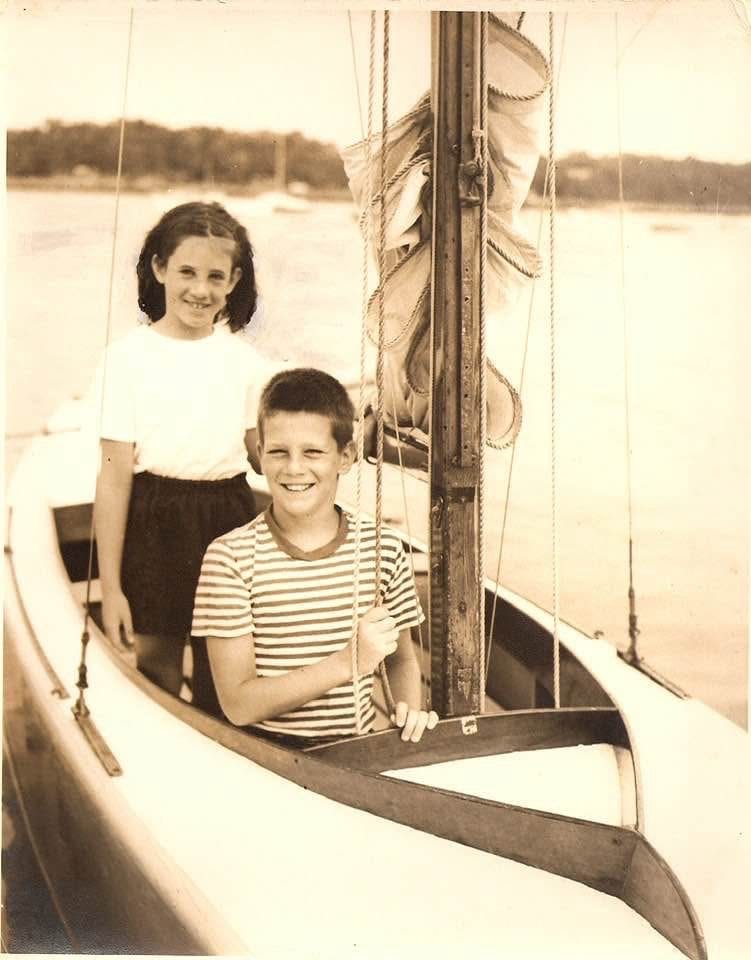
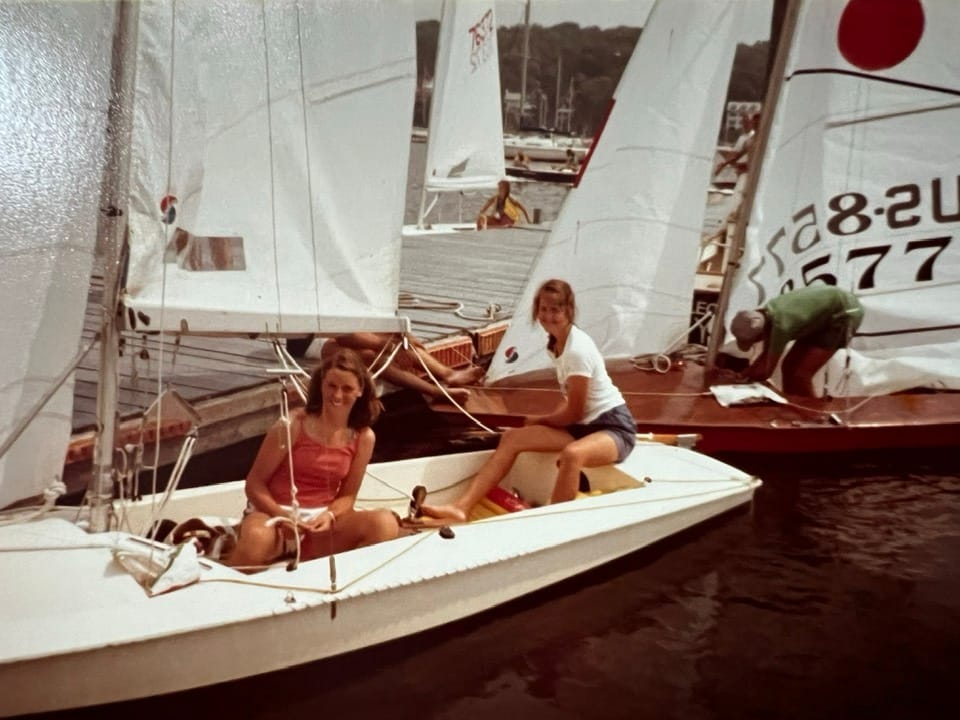
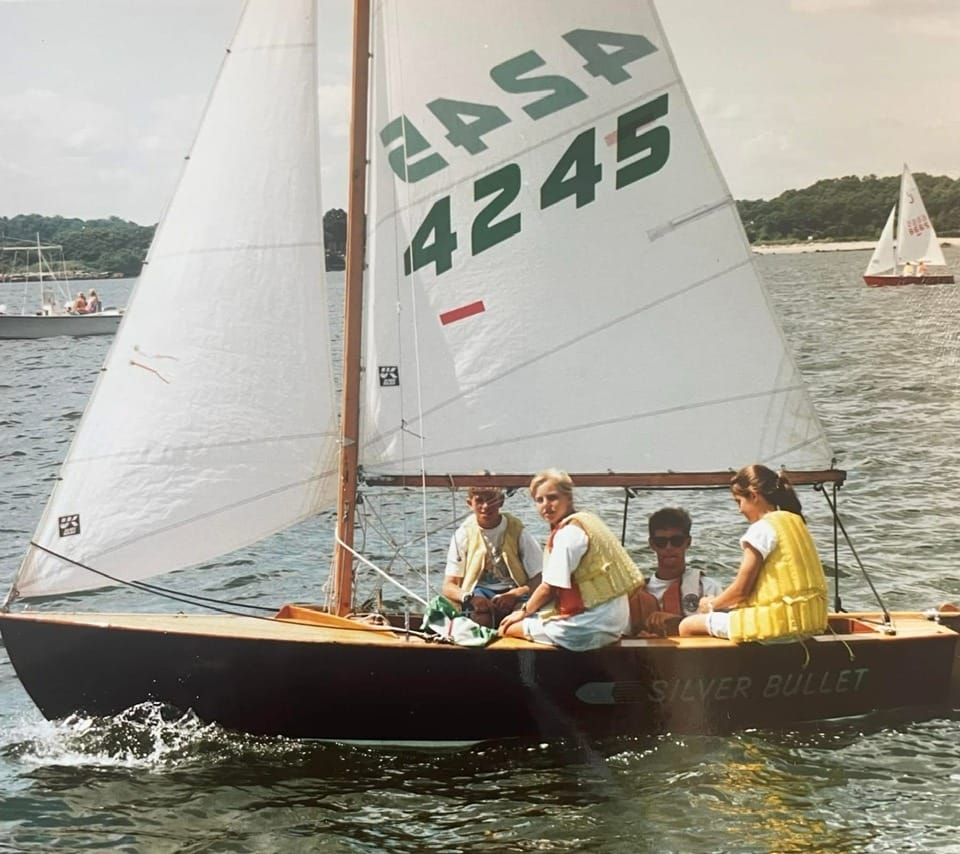
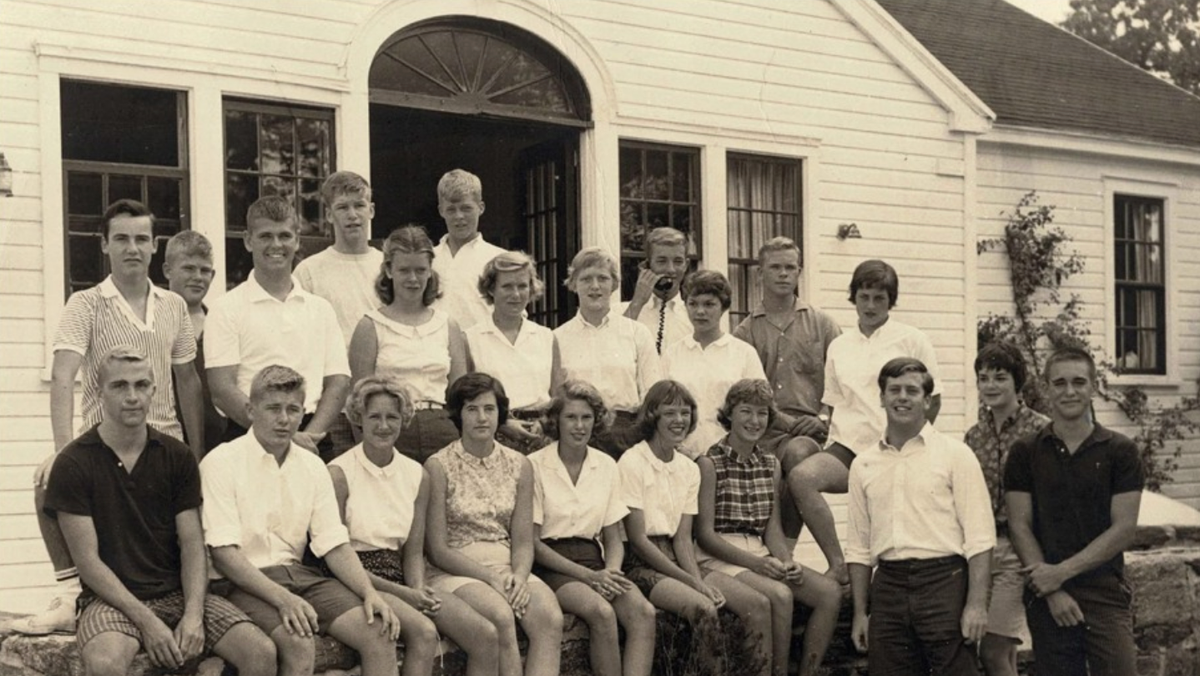
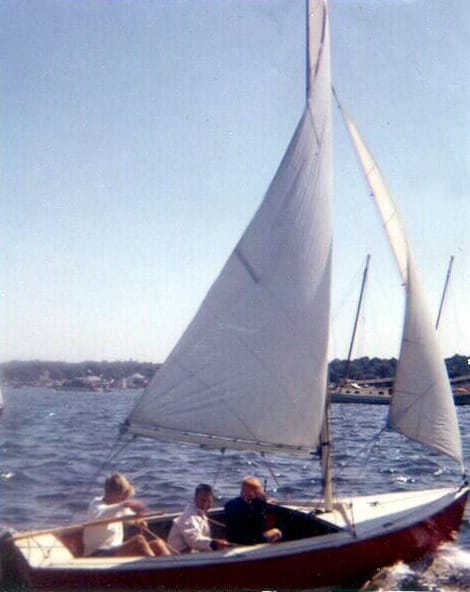
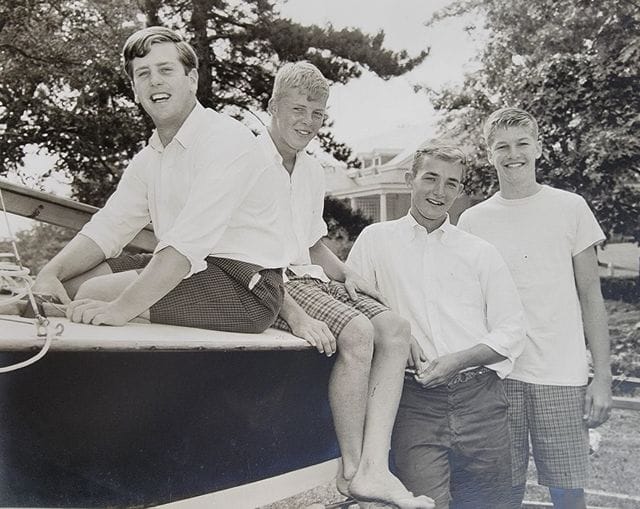
Both AYC and JAYC continued to thrive in the 1960s. As JAYC continued to grow, JAYC also expanded more formally into sailing big boats, often coached by Lorna Hibberd. JAYCers continued sailing Blue Jays and Lightnings, though the 110 was retired from junior racing. Pavanne, skippered by Don Elliman and crewed by JAYCers, won the 1961 Beach Point Overnight. Four years later, in 1965, Elizabeth Learson skippered Thunderbird to victory in “the overnight.” It’s probably also not surprising that JAYCers won the JYRA (now JSA) Junior Navigation Trophy in 1966 (Louis Barton and Dan Smith) and 1968 (Nick Everett). Continuing AYC’s success on the Blue Jay circuit, Michael Duncan, Robert Frisch, and Peter Reader won the JYRA Blue Jay Championship in 1968.
JAYC Boat Classes Over the Years
Humans have been going down to the sea on ships for thousands of years, but for most of that time, sailing was used to facilitate fishing, trade, exploration, or even warfare. It’s only since the Industrial Revolution and the advent of the steamship and other motorized power for ships that sailing has become a pastime primarily undertaken for sport. And within that stretch of time, the sport has evolved significantly, often continuing to adapt with the development of new technologies. The boats sailed by JAYCers have reflected those shifts.
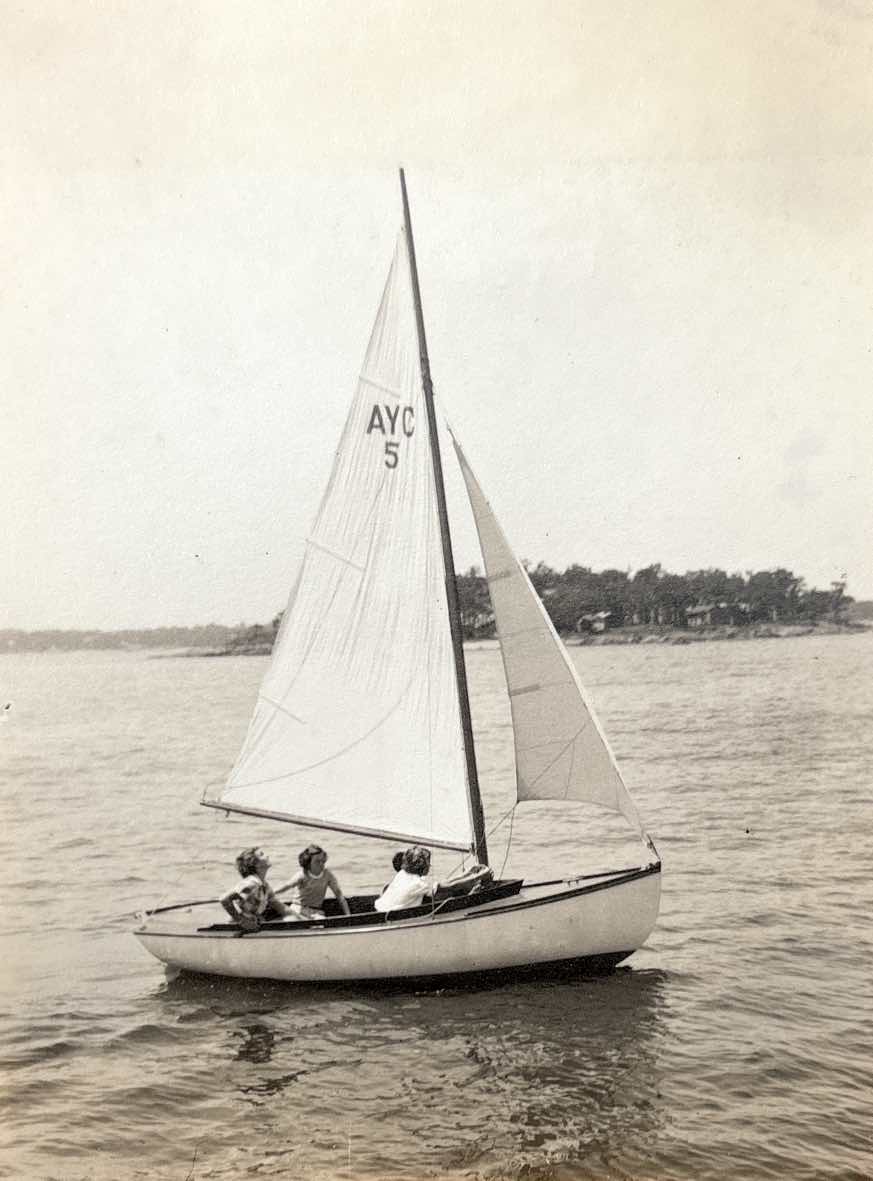
In JAYC’s earliest days, JAYCers sailed Wee Scots and Bulldogs, boats that could accommodate a handful of young sailors. Both boat classes had particular connections to AYC; the Wee Scots were built at the Milton Boat Yards (now the site of the Milton Harbor House condominiums). Bulldogs were developed specifically for junior sailors, and AYC was home to the first fleet. Thus, the boats had “AYC” on the sails. Bulldogs were a safe, simple, and stable keelboat that served as a beginner boat that could also be raced competitively.
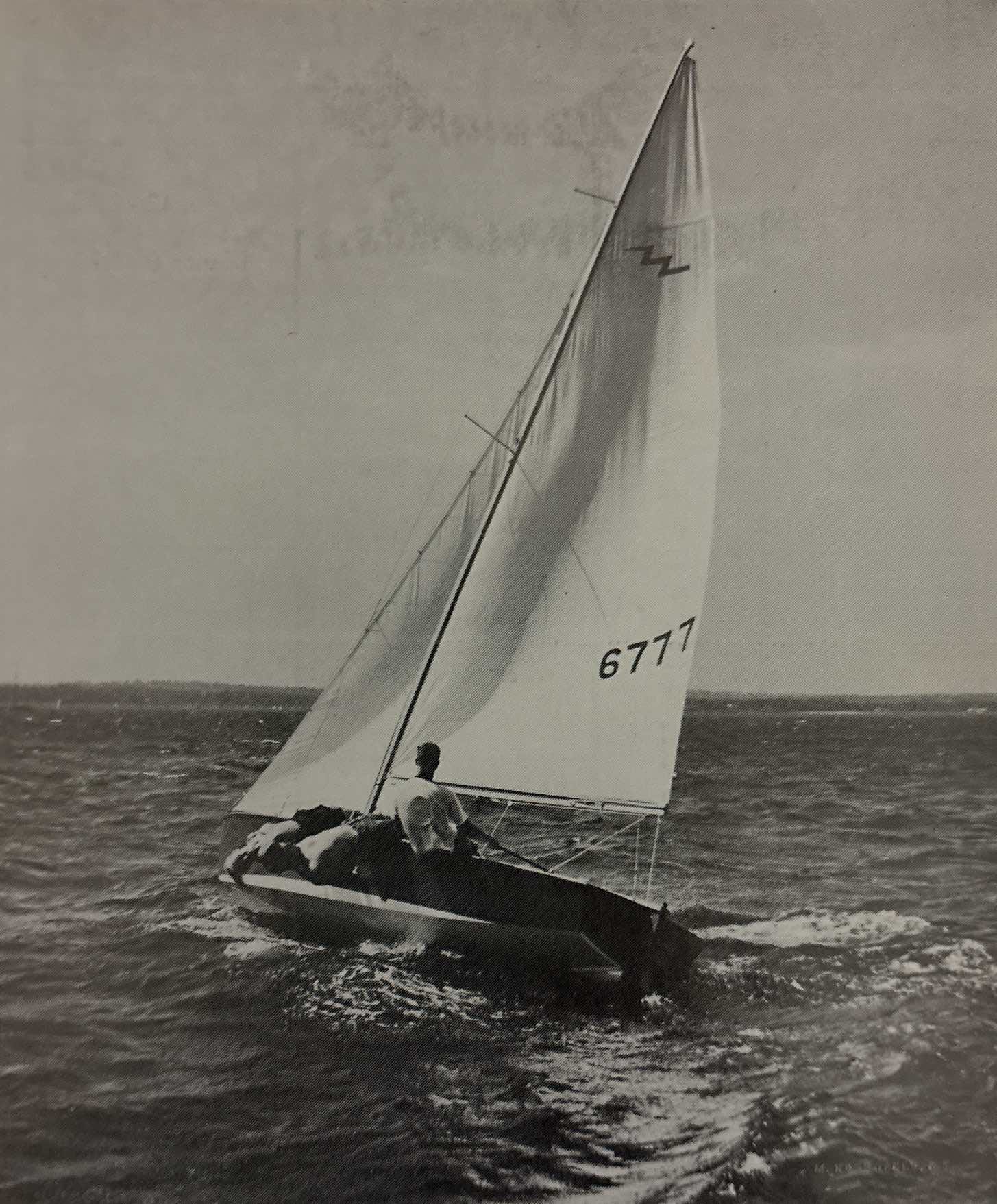
After World War II, sailing boomed nationwide, and junior sailors on Long Island Sound began racing new fleets of boats that were a bit lighter and higher performance. The Lightning is one of the most popular boat classes ever designed, with 15,000+ boats built, and it continues to be actively sailed in many parts of the world today. Blue Jays were designed in 1947 as a training boat for the Lightning. To junior sailors, both Lightnings and Blue Jays felt more responsive to helm movements and crew weight, were lighter and thus quicker to accelerate, and with hard chines and flatter bottoms, could even plane in the right conditions. Thus, JAYCers and other junior sailors enjoyed competitive racing as well as learning how to set, trim, gybe, and douse spinnakers. Though the Lightning would give way to even higher performance boats for older junior sailors in the 1970s, the Blue Jay would continue to introduce JAYCers to sailing together and working with a main/jib/spinnaker into the 21st century. JAYCers also raced 110s in the 1940s and 1950s, but the popularity and smaller size of the Lightning and Blue Jay solidified these boats for decades.
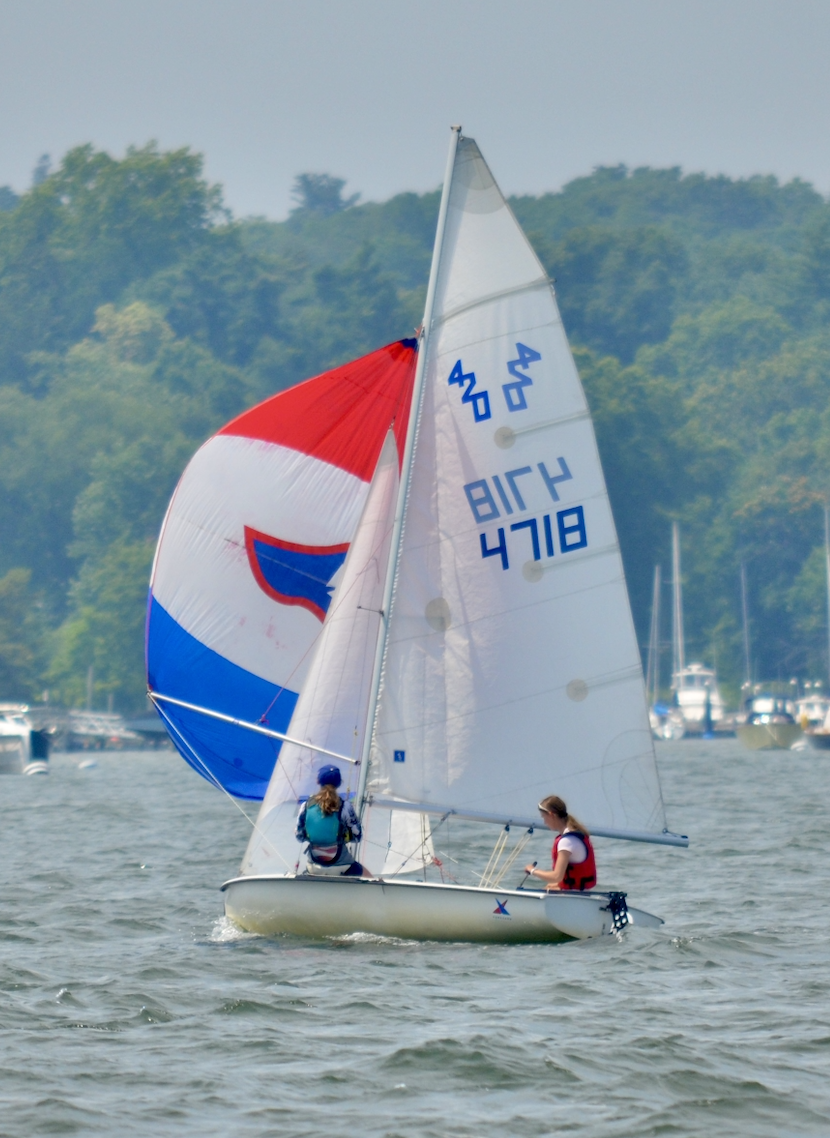
The second half of the 20th century was a period of growth in technology and new innovations in boatbuilding often first appeared in the America’s Cup or Olympic sailing, and quickly made their way to junior sailing. Wooden boats that had required careful maintenance gave way to fiberglass boats that were lighter and more durable. The Lightning, which had seemed high performance compared to the Bulldog, was replaced by the Fireball, a high performance design that included a trapeze, and seemed much more athletic and exciting than the Lightning. In turn, the Fireball was replaced by the International 420, designed as a training boat for the Olympic 470 in the early 1980s. The International 420 was replaced by the Club 420 in 1994, as the Club 420 was more popular nationwide and was a standard boat for high school and college sailing, including for team racing. That said, many JAYC sailors have continued to campaign outside of Long Island Sound in the International 420; JAYC has sent many representatives to International 420 Worlds and other high level events.
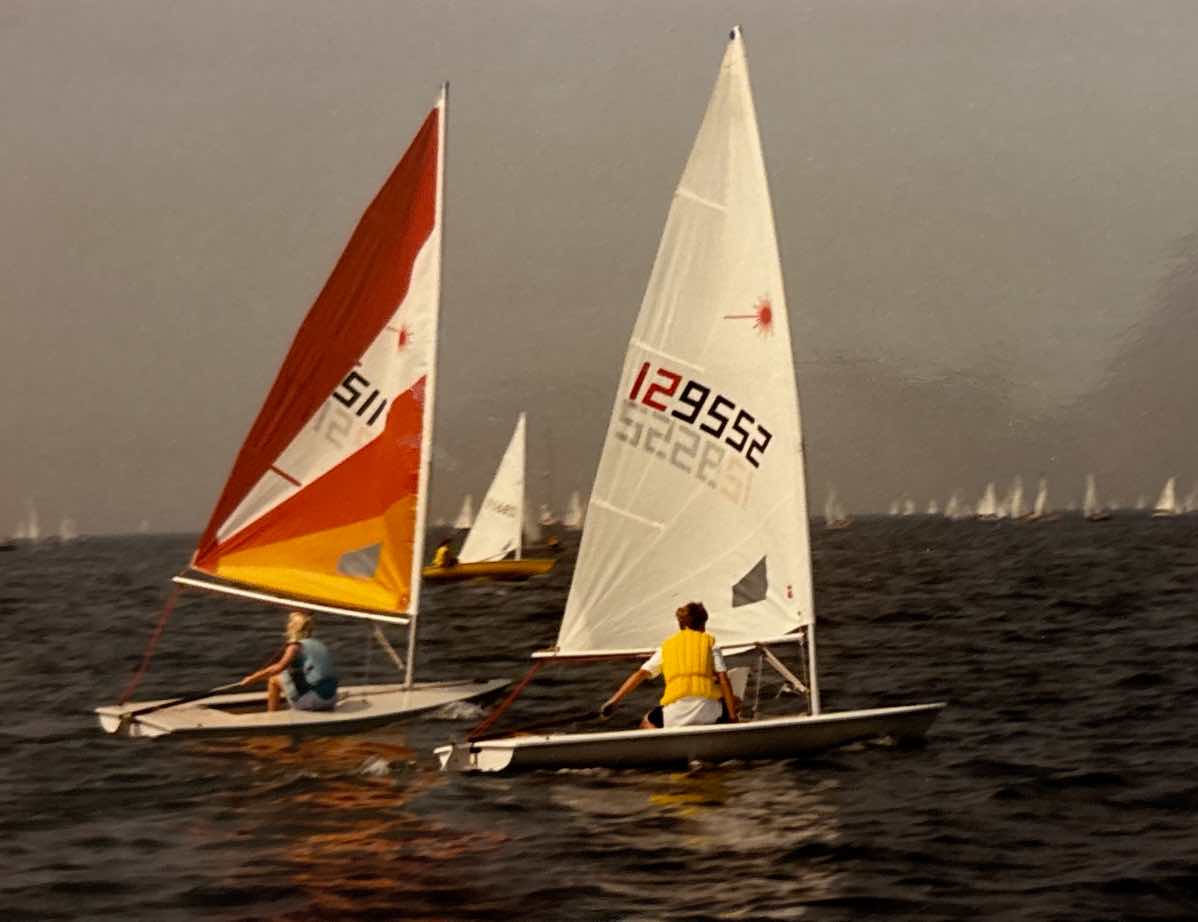
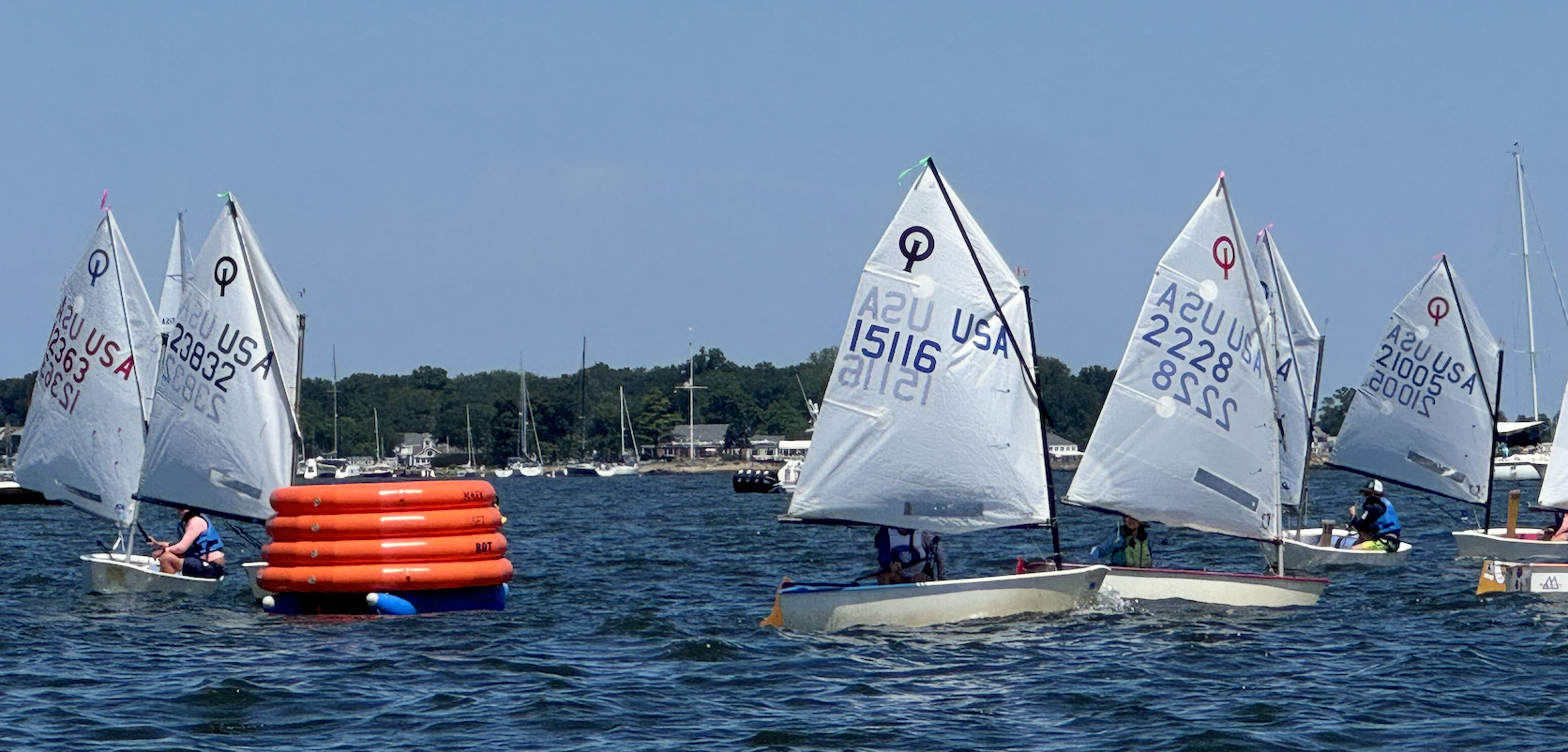
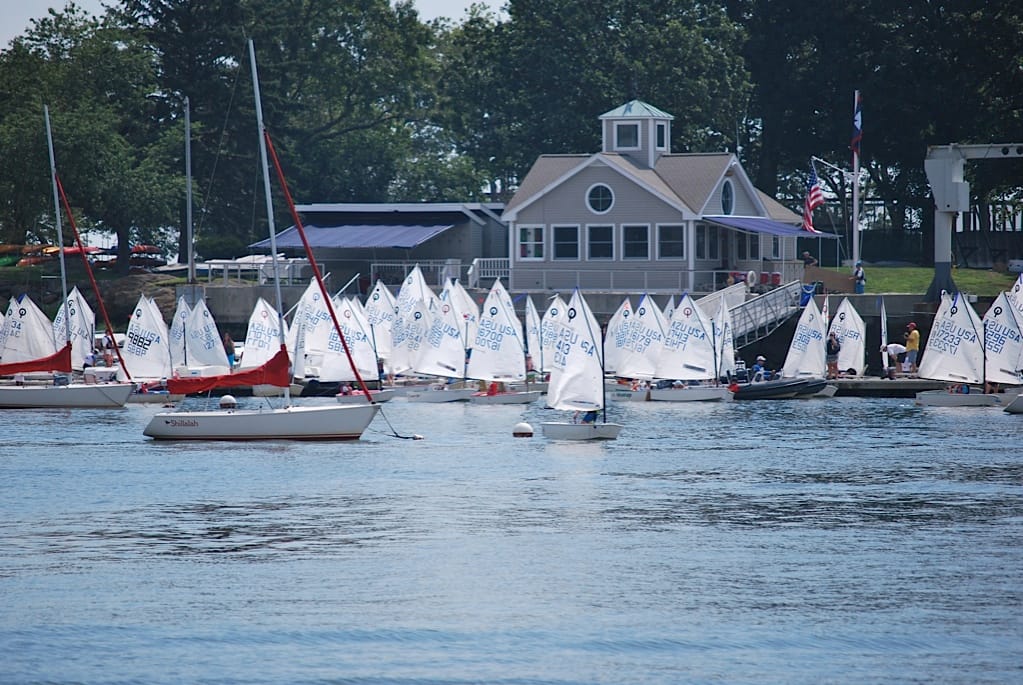
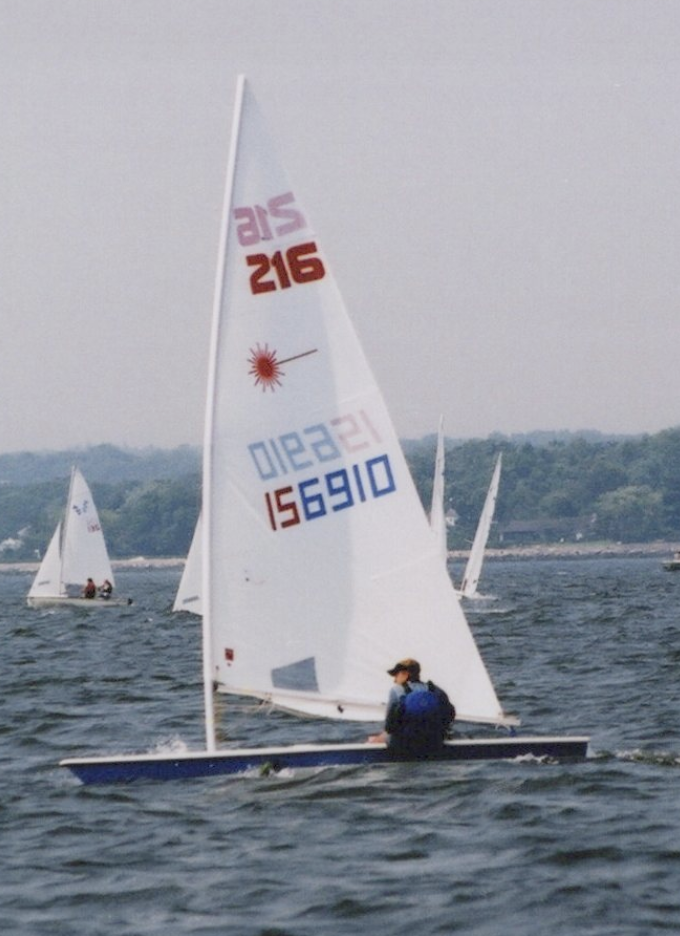
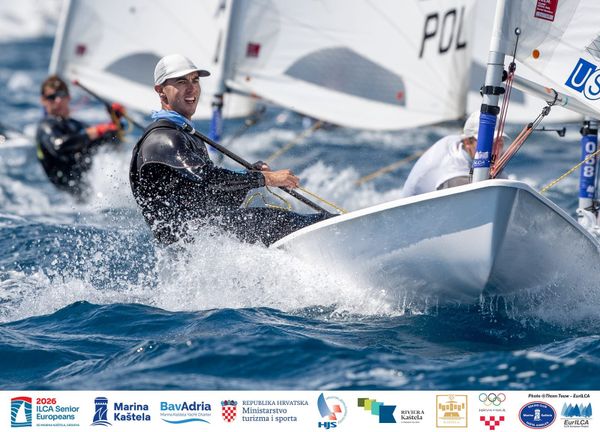
In the 1970s and 1980s, JAYCers also began sailing singlehanded boats for the first time. Starting in 1970, young JAYCers began learning to sail in singlehanded boats, where they quickly gained a feel for the helm and the mainsheet. Initially, these singlehanded boats were Dyer Dhows, but in 1982, JAYC shifted over to Optimists, which had been gaining popularity in other parts of the nation and the world. Optimists are now in their fifth decade at JAYC! The Laser (now known as the ILCA), designed by Bruce Kirby in 1970, became a popular boat throughout the United States and the world, and was adopted by older JAYCers who wanted to sail on their own in the mid-1970s. Another advantage of the Laser was the ability to scale down the sail plan with a Radial rig or 4.7 rig (now known as the ILCA 6 and 4, respectively).
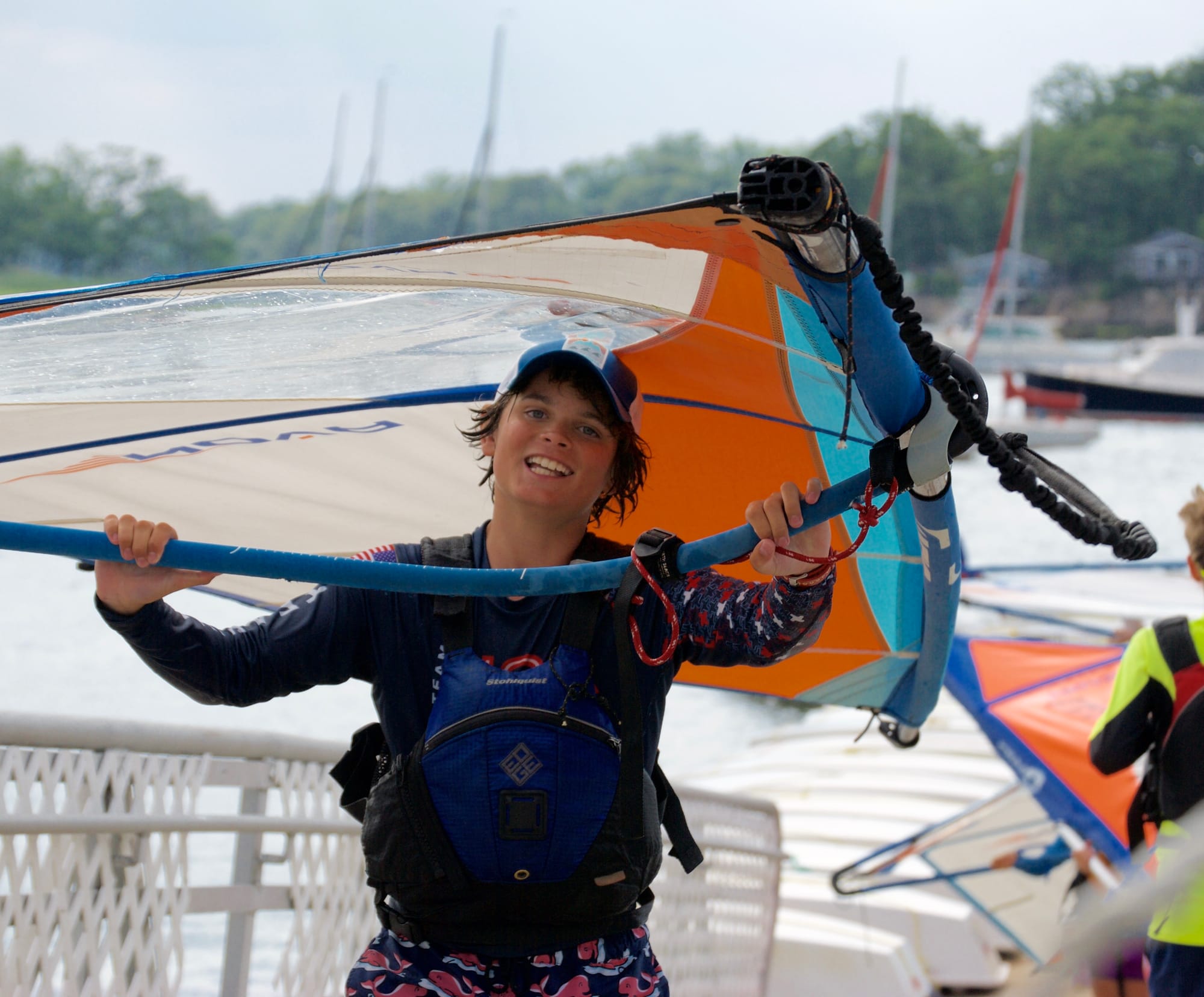
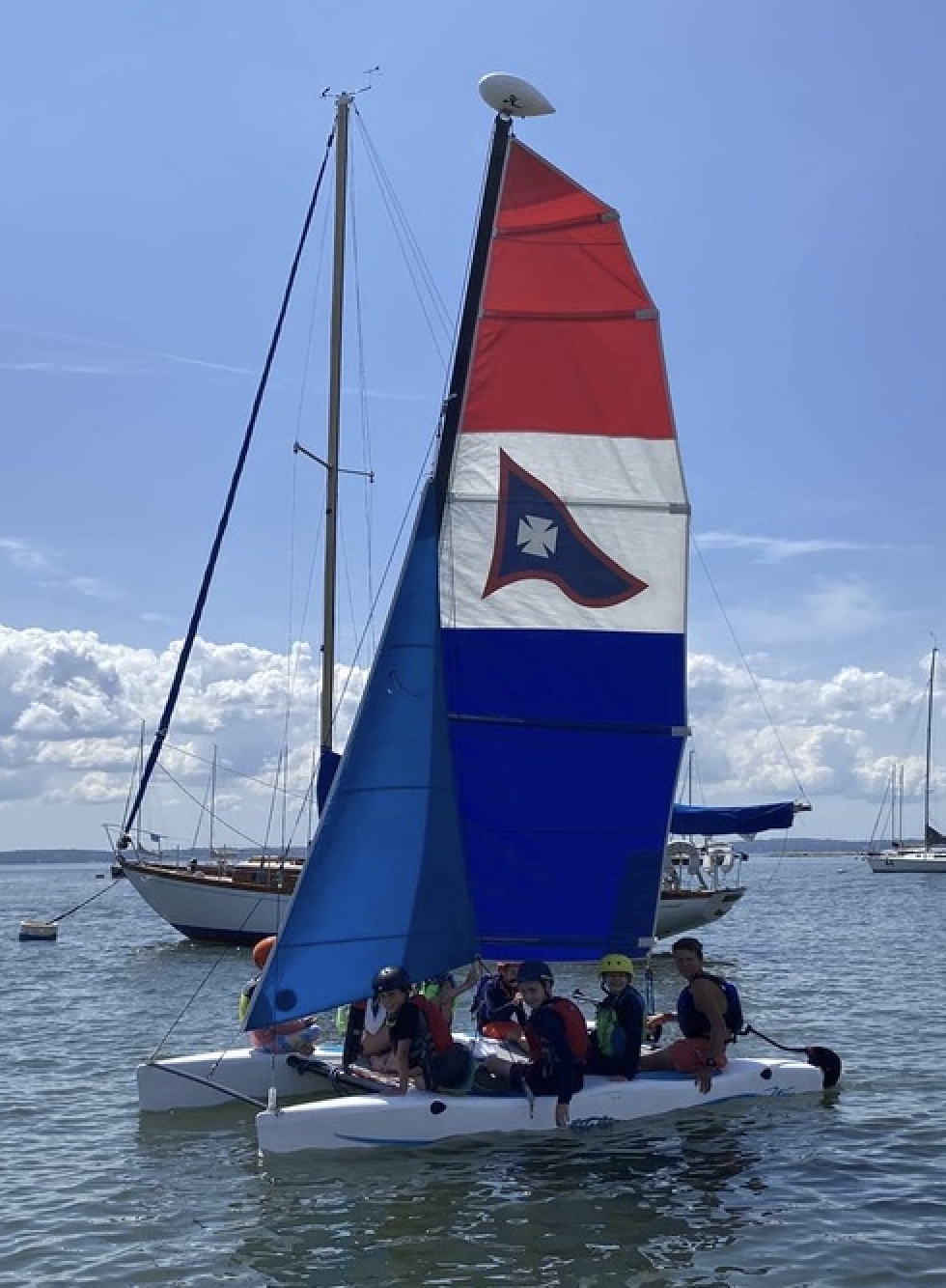
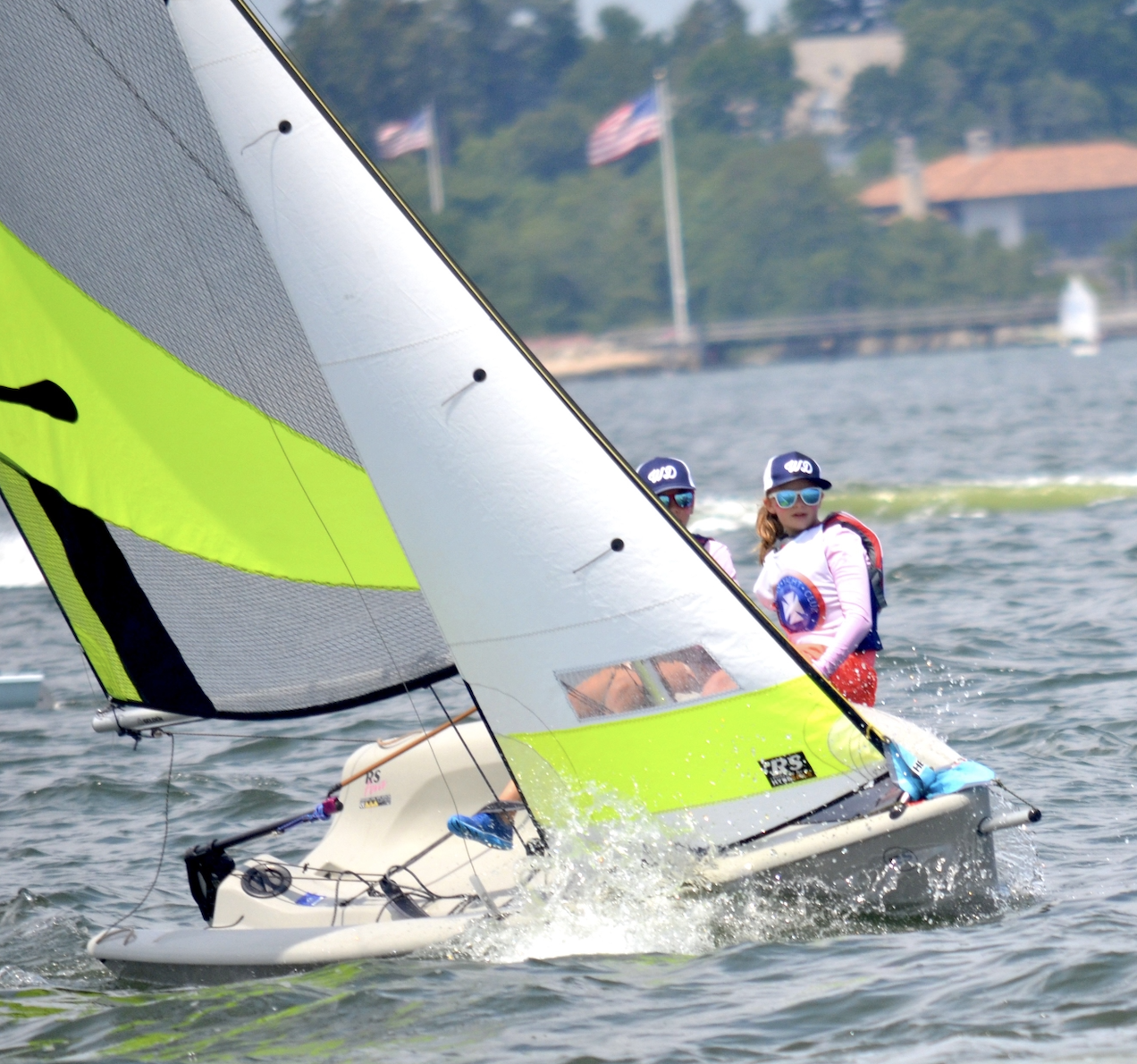
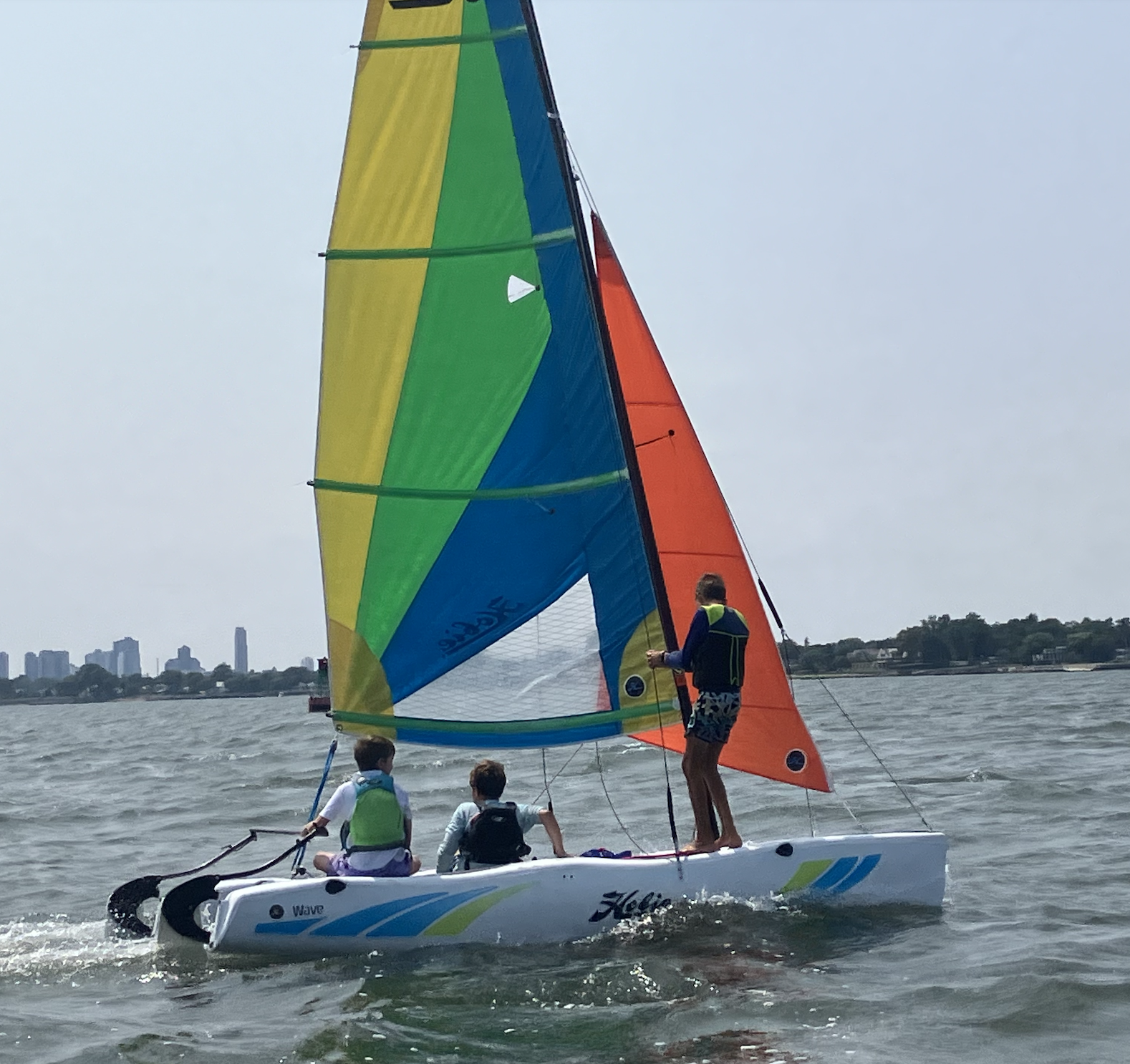
As JAYC entered the 21st century, junior sailing boats continued to become more athletic and high performance. The Blue Jay was replaced by another Bruce Kirby design, the Pixel, in 2008, as the JSA tried to update the boat that filled the years after sailors had grown out of the Optimist, but might not be ready for the athleticism of 420 or Laser sailing. The Pixel never achieved the popularity that the Blue Jay had at its height, however. As interest in the Pixel waned, JAYCers sailed RS Fevas as well as Hobie Waves O’Pen Bics, and windsurfers like the Bic Techno.
The boats may look different, but the goal has remained the same: to develop a love of and respect for the water, learn to race competitively and with sportsmanship, and to foster lifelong friendships. Whatever boats future generations of JAYCers sail, they’re sure to be having a blast on the water!
Next week: JAYC in the 1970s
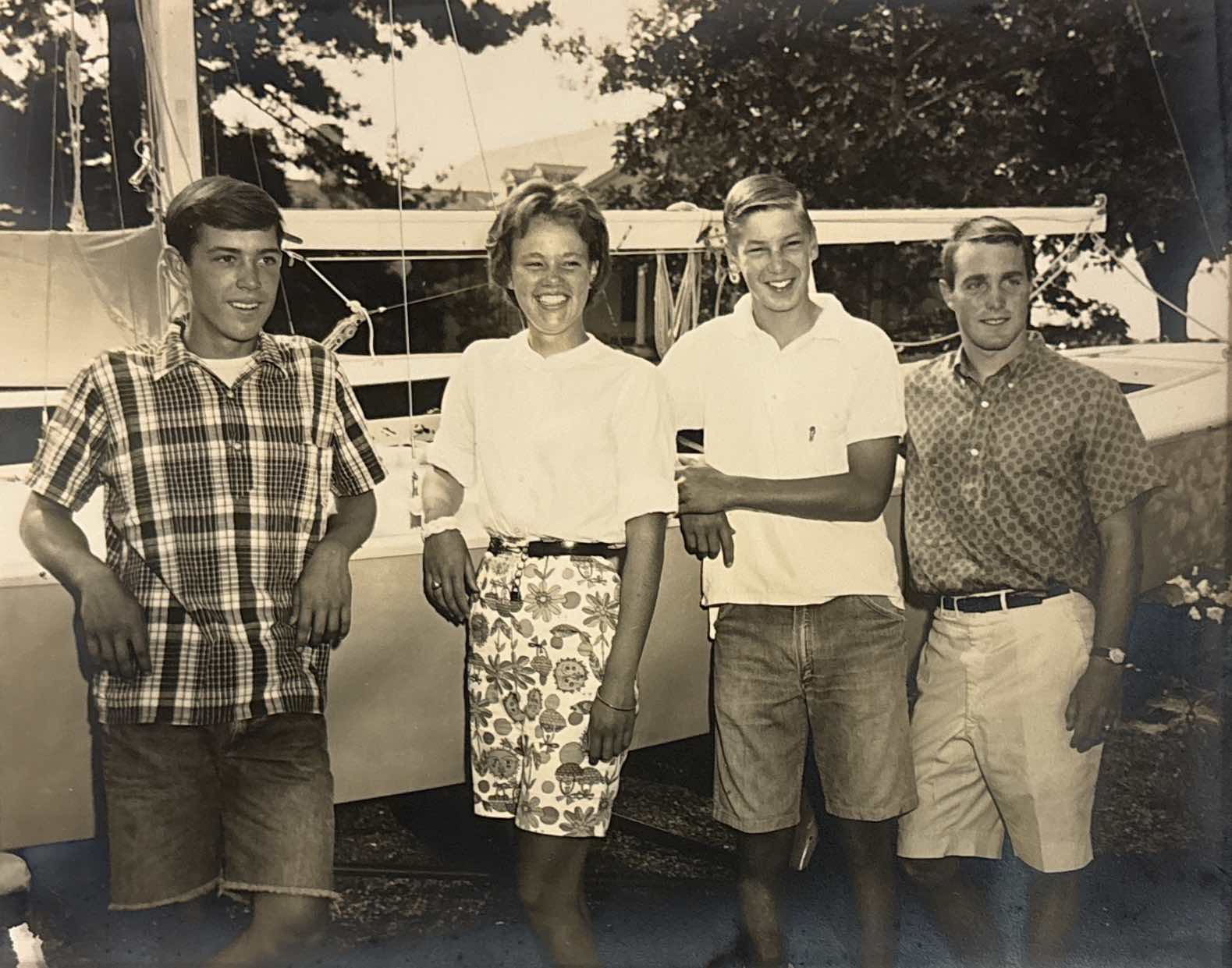
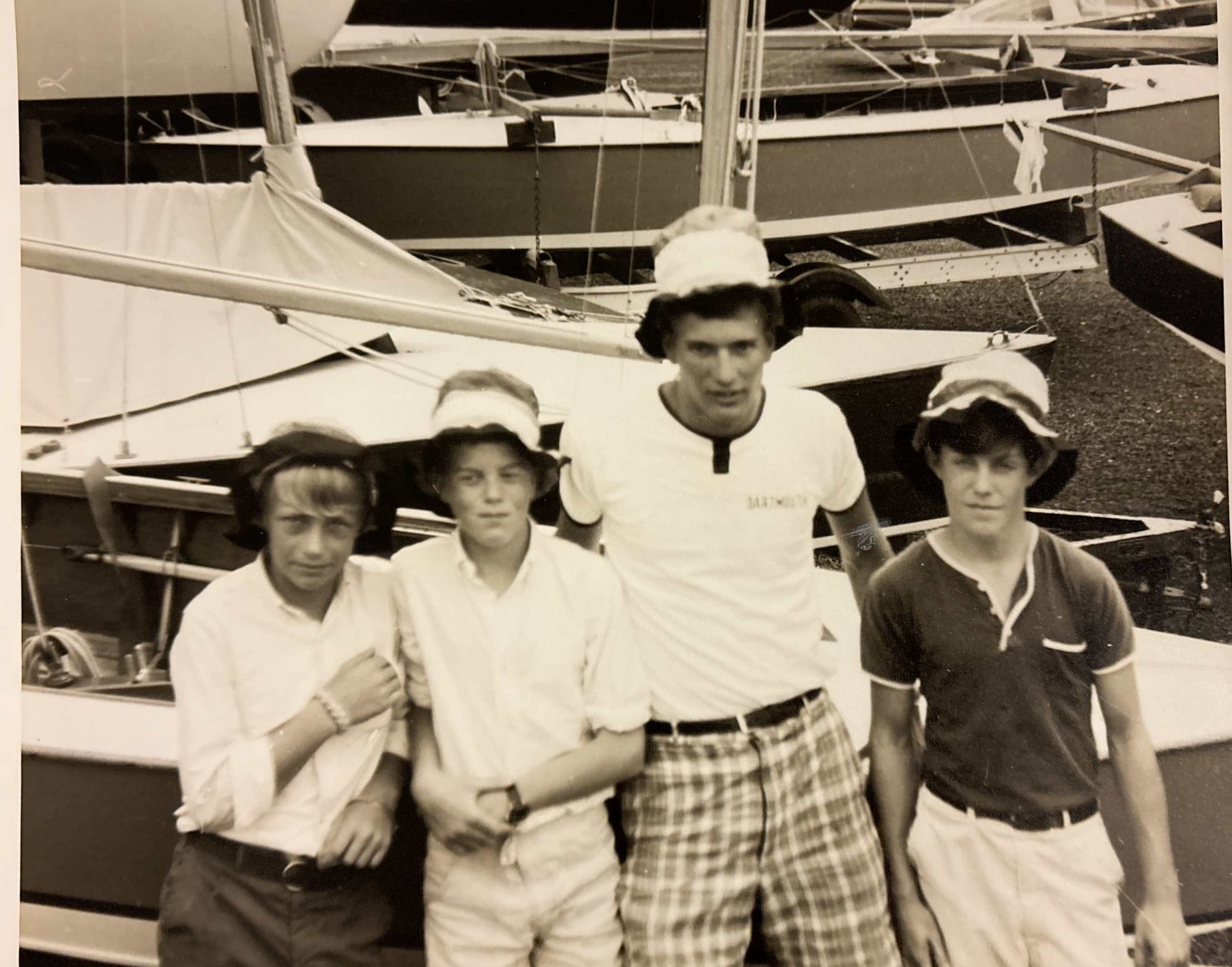
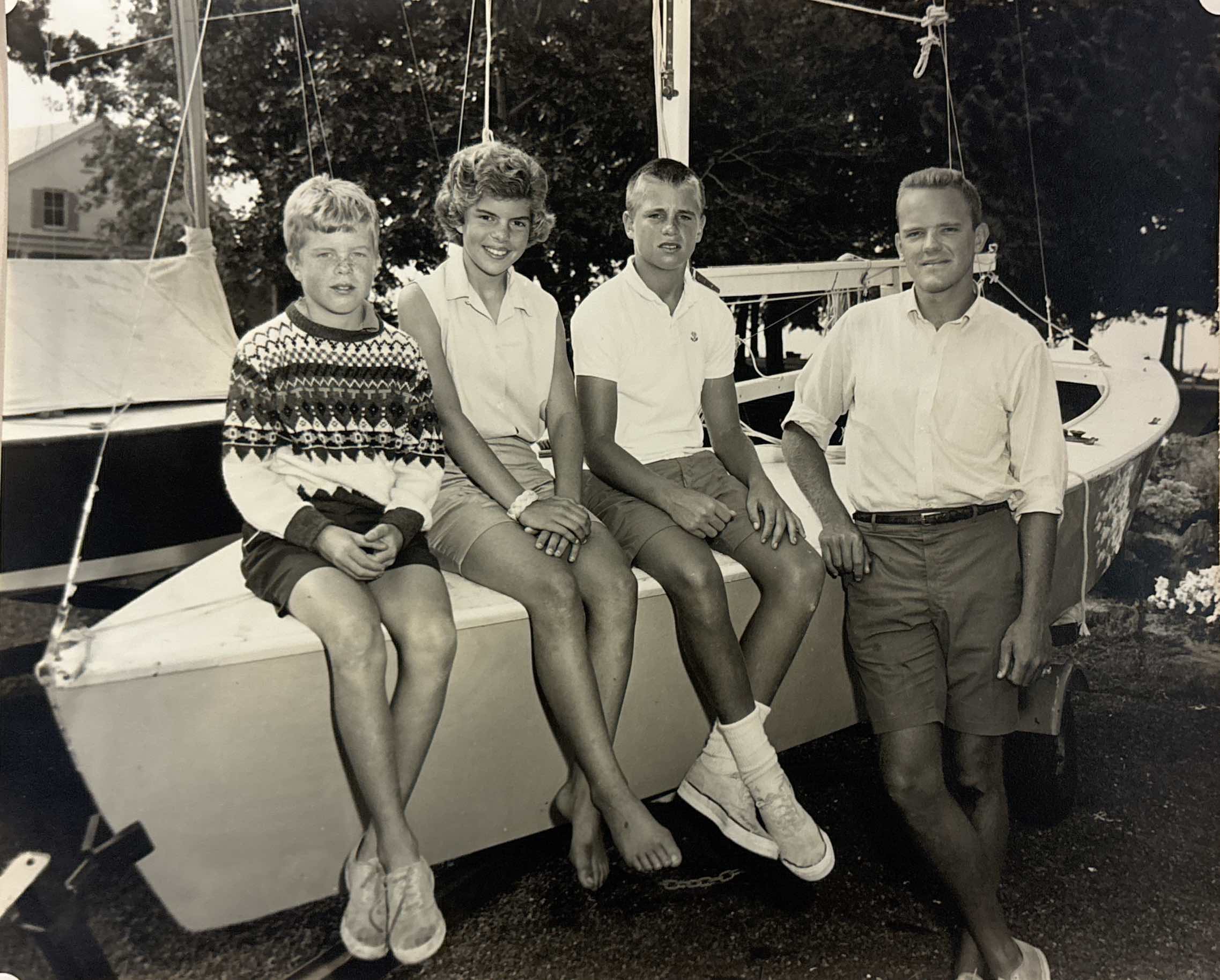
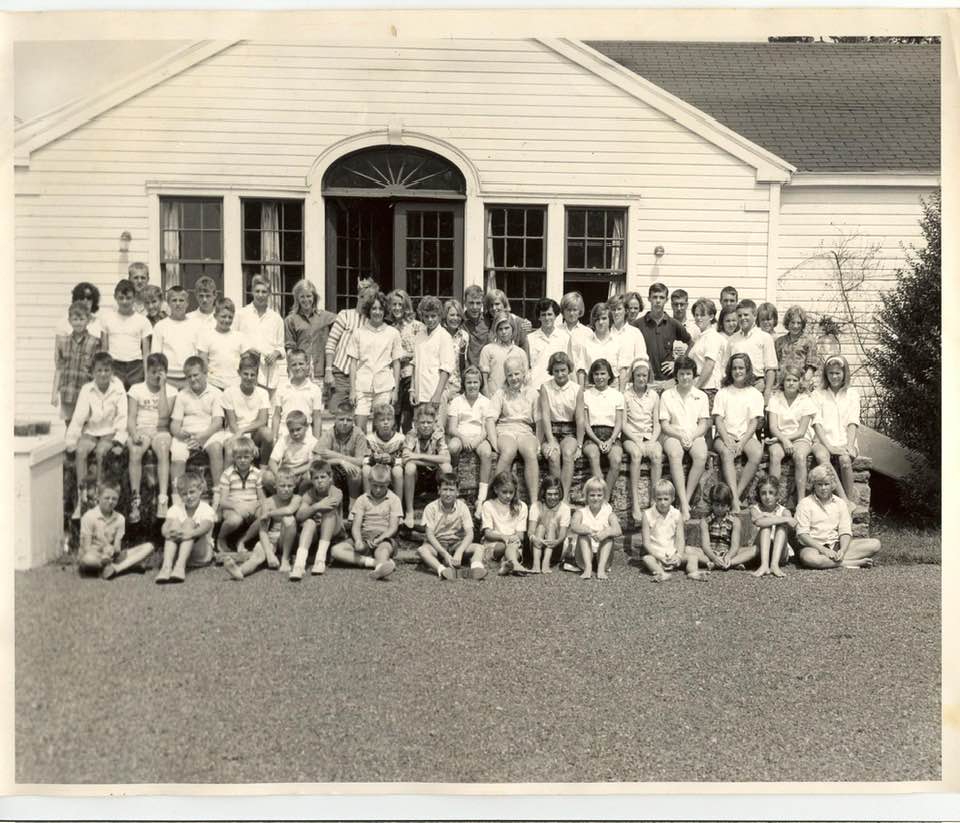
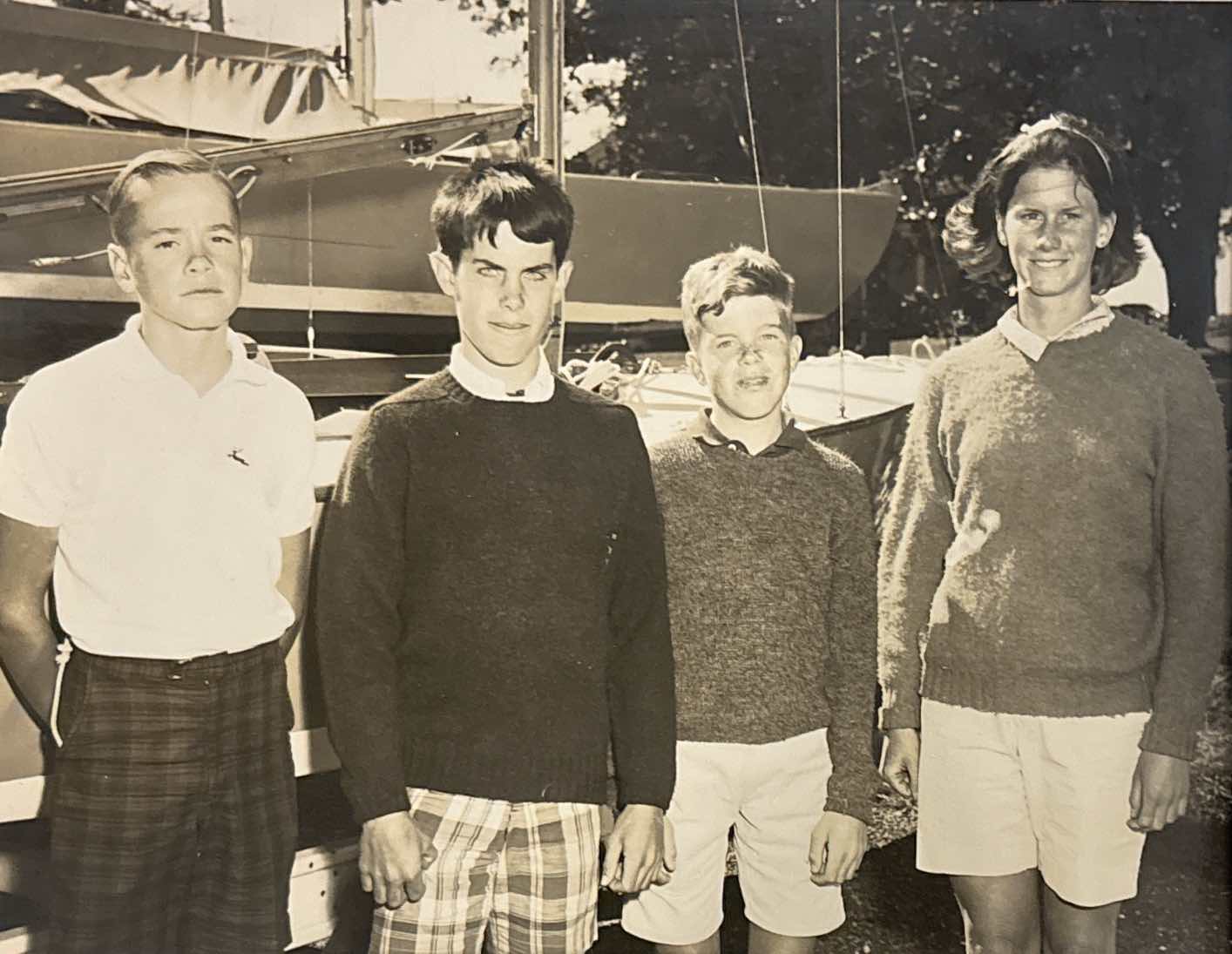
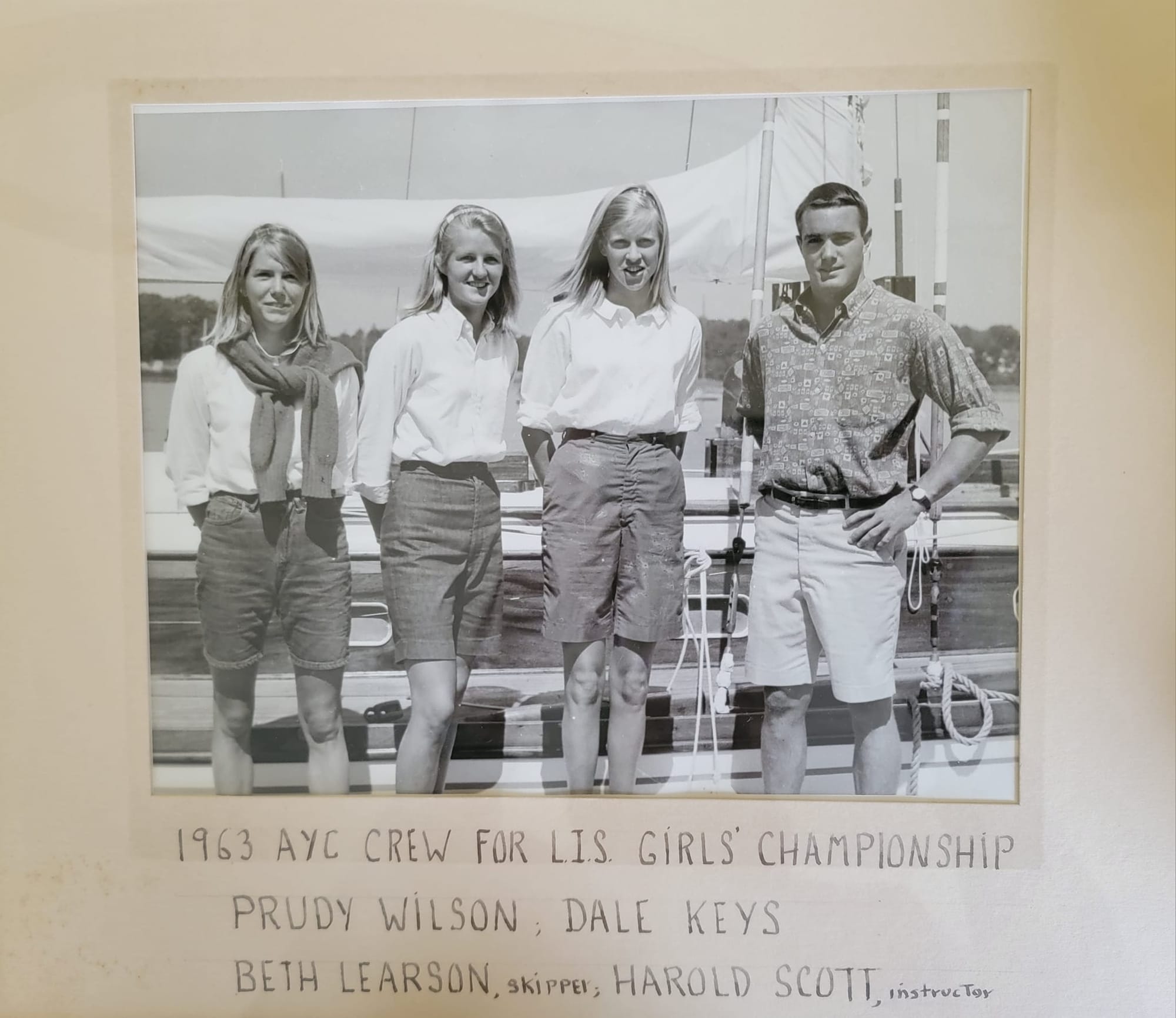
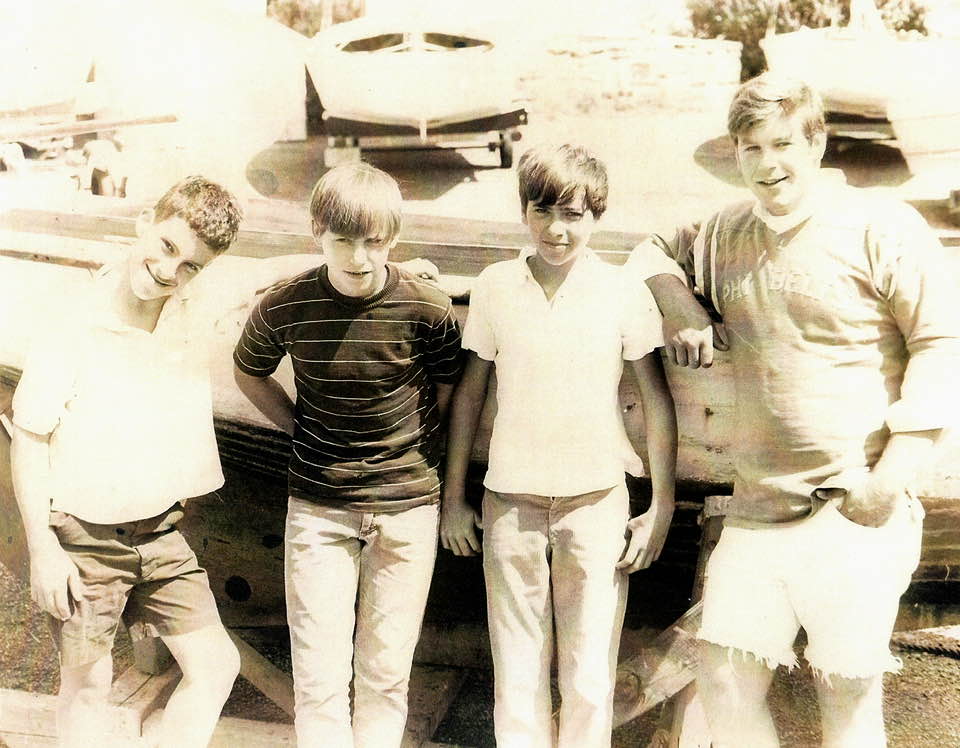
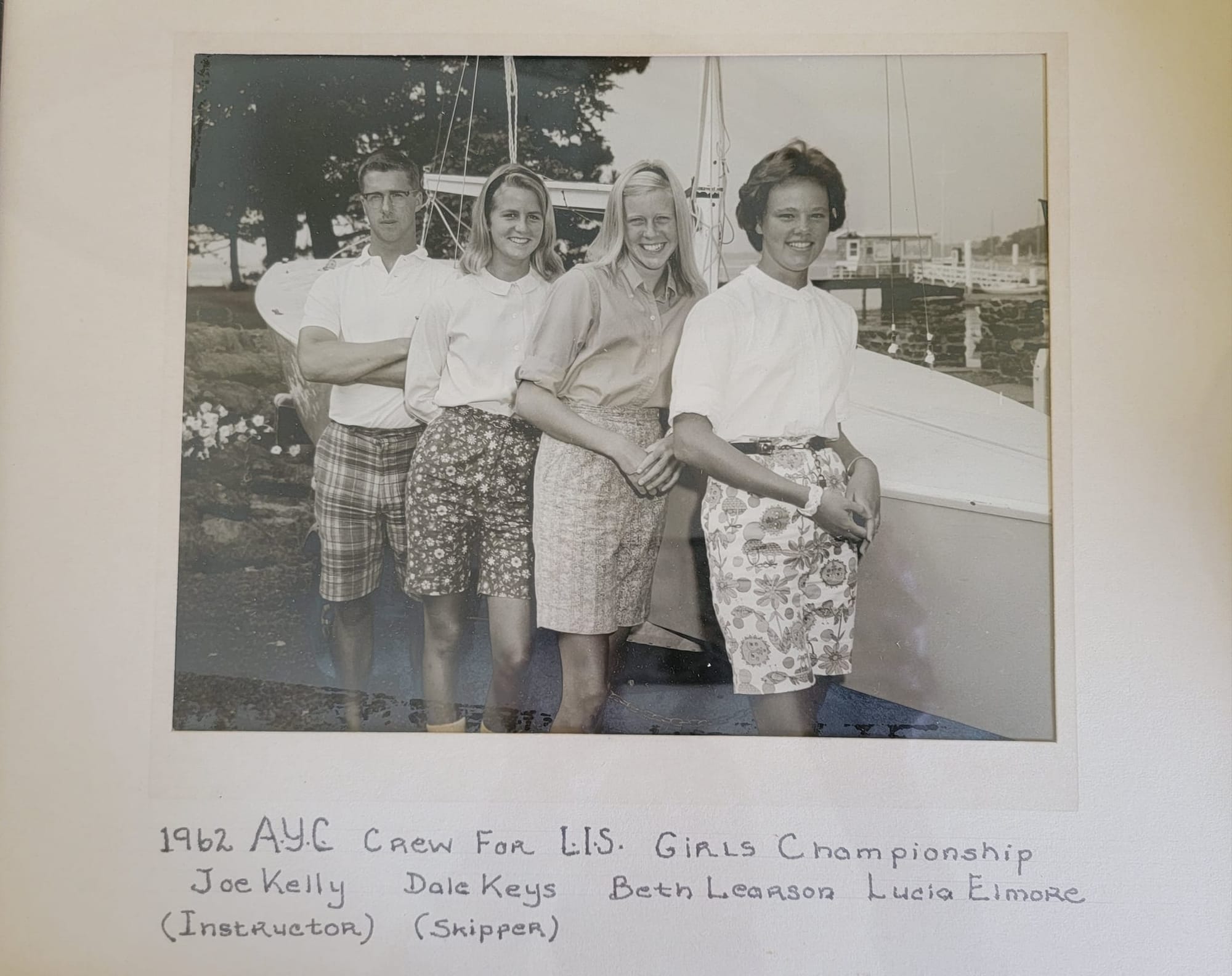
JAYC in the 1960s!