JAYC 100: The 1940s and 1950s
This is the second in a series about the history of JAYC, to be published in the weeks leading up to the JAYC100 Celebration at AYC in June.
AYC entered the 1940s having just rebuilt and repaired much of the property after the destructive hurricane of September, 1938. And then, of course, as World War II expanded its reach, about a third of the AYC membership joined the armed forces, and gasoline rationing hampered many members’ abilities to get to AYC regularly.
Despite the cloud of war looming over everyday life, JAYC thrived, and actually became a greater focus of club activities. In addition to Wee Scots and Bulldogs, JAYCers also began to sail the 110, a popular boat throughout the Northeast at the time, that is still raced today in some parts of the country, though not often on Long Island Sound.
JAYC co-founder and now Rear Commodore Bill Crow oversaw renovations of the JAYC House in 1941, the same summer when the JYRA (now JSA) of LIS adopted AYC’s sailing curriculum as the standard for junior programs on Long Island Sound. After the US joined World War II, the AYC Board proposed the following as part of AYC’s war effort:
- To make available to the fullest extent possible to the Navy and the Coast Guard the voluntary services of our members and their yachts.
- To initiate through the Junior Yacht Club and otherwise appropriate program for boys and girls of suitable ages.
- To arrange races and cruises to supplement the Junior training program.
So – JAYC continued through the war, which laid the foundation for fantastic expansion and growth in the postwar years.
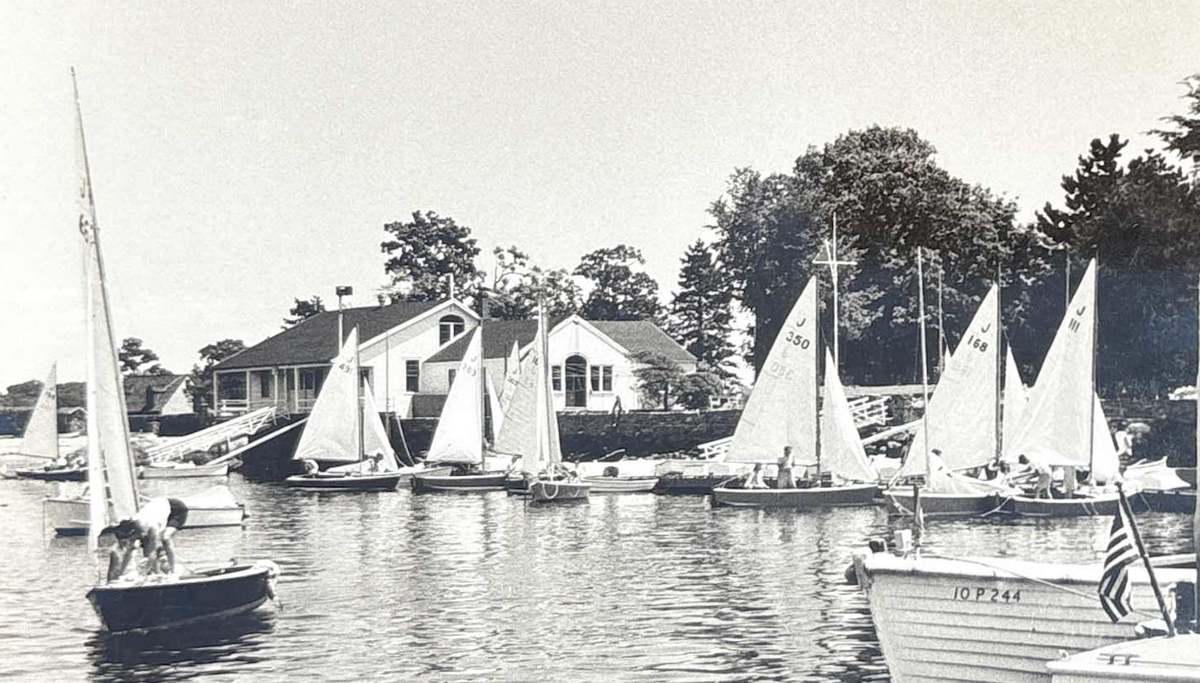
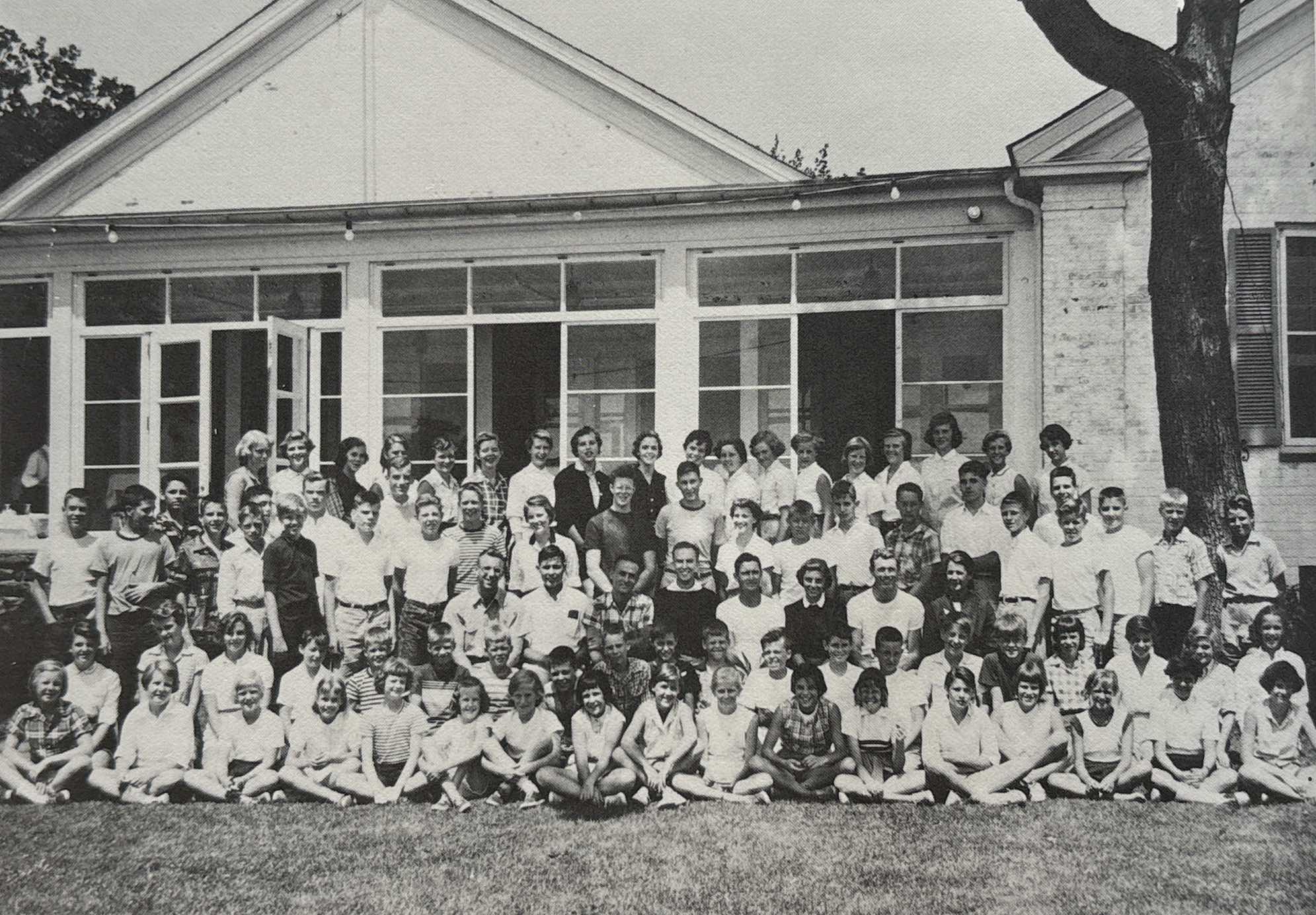
The 1950s was a dynamic decade at AYC. In 1951, the AYC Clubhouse burned to the ground in an electrical fire. Fortunately, the JAYC House survived, and in fact, served as the temporary AYC bar – at 5pm, junior sailors were politely asked to leave so bartender Walter Drezek could begin serving drinks to the adult members. Still, JAYC thrived. In 1950, Junior JAYC was established and JAYC had a feeder program. As AYC’s membership swelled, and record numbers of JAYCers (86 in 1953!) sailed new boats, as Blue Jays and Lightnings replaced Wee Scots and Bulldogs in 1953. Lightnings were (and still are!) actively raced by both adults and junior sailors, and the Blue Jay was designed as a “baby Lightning” for beginner sailors. AYC had a particularly strong connection to the Blue Jay; Allegra Knapp Mertz founded the International Blue Jay Class Association and served as its president for thirty five years, during which time she championed the boat as a training boat and ensured that it was raced actively, including holding a national championship each year.
In the 1950s, JAYCers also began winning JYRA Championships. in Fred Hibberd, Dave Gundy, and Butch Hitchcock won AYC’s first JYRA/JSA championship with the Long Island Sound Midget Championship in 1953, and AYC teams defended that championship in 1954 and 1955. Also in 1953, Seth Corwin won the JSA Clinton M. Bell Trophy Junior Events Trophy for his dominant performance on the water throughout the summer. 1955 was a banner year for JAYCers as Margo Crow earned the Clinton M. Bell Trophy and Fred Hibberd, Dave Gundy, Rosemary Kelly, and Butch Hitchcock won the JSA Junior Championship, sailed in Lightnings. James Brickell won the Clinton Bell Trophy in 1956, and in 1957 and 1958, AYC teams of Sis Hibberd, Marge Crow, Catherine Kelly, Wendy Everett and then Muff Crow, Wendy Everett, Janet Lethen, Mary James won the JSA Girls Championship. Already, JAYC already had some championship-caliber second generation sailors in Crow and Everett (daughter of Babs Shethar)!
Next week: JAYC in the 1960s
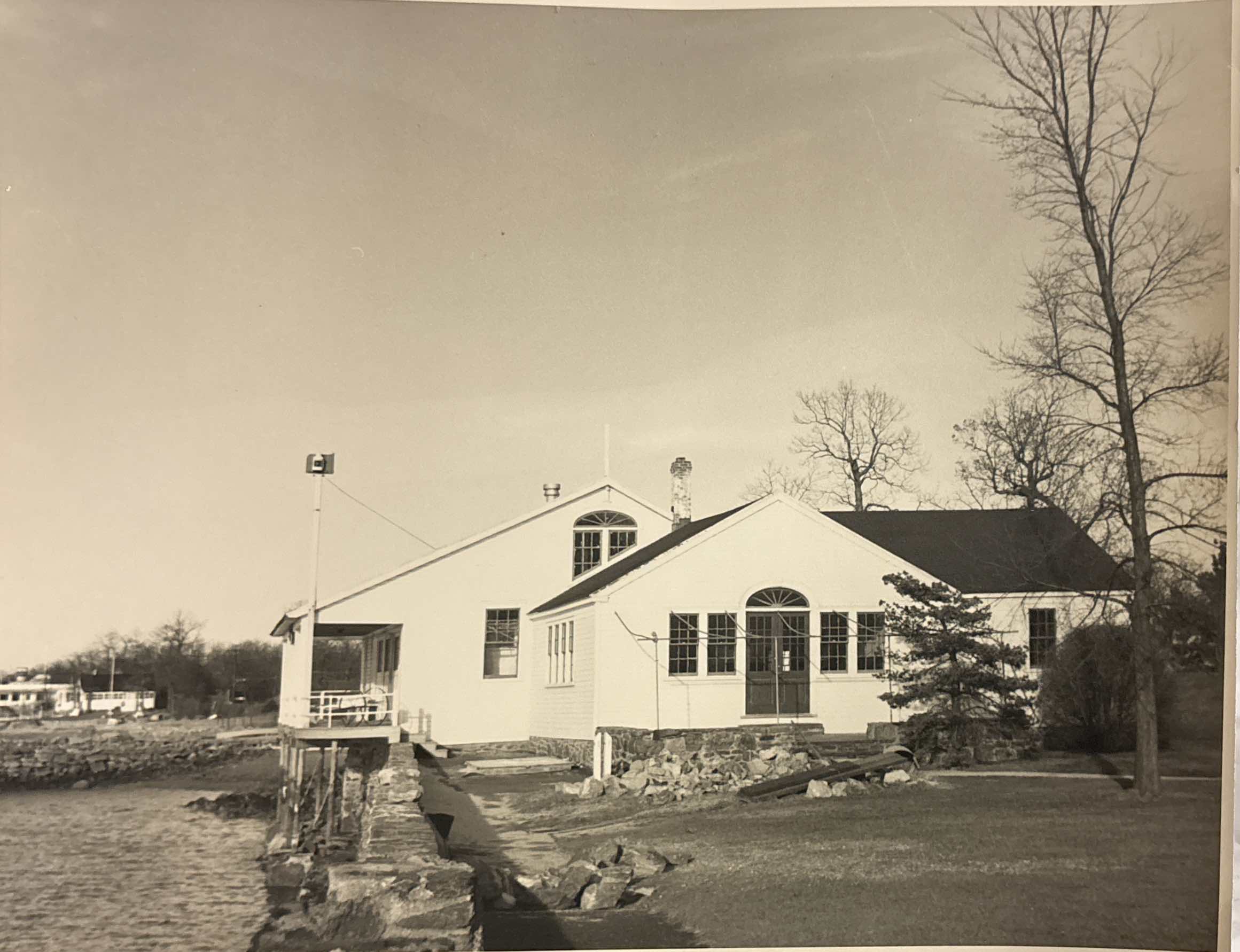
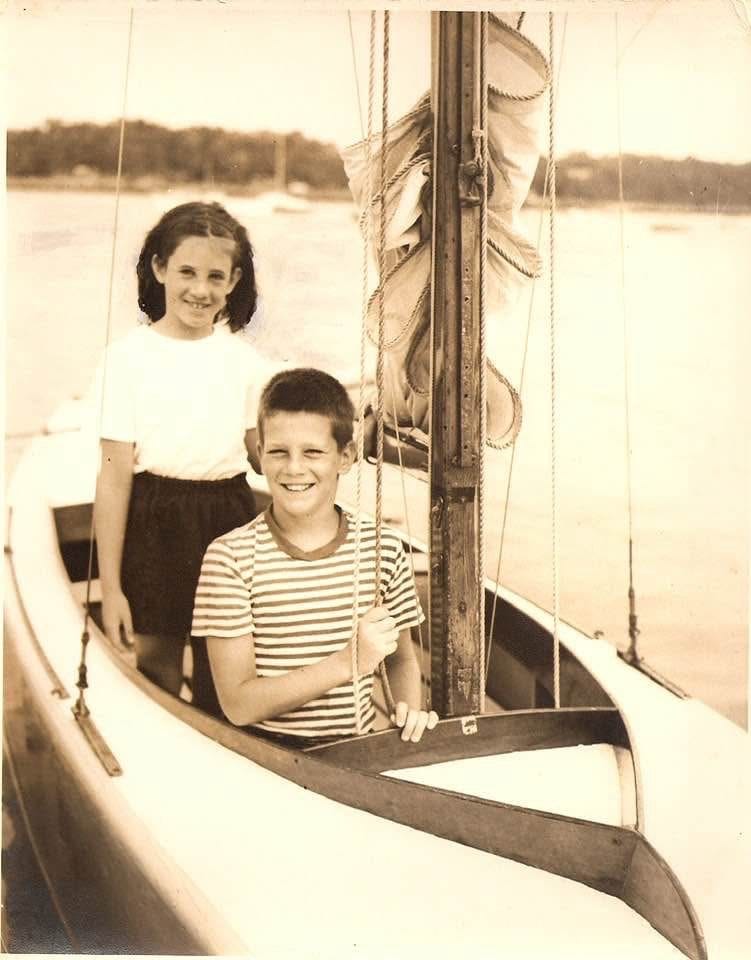
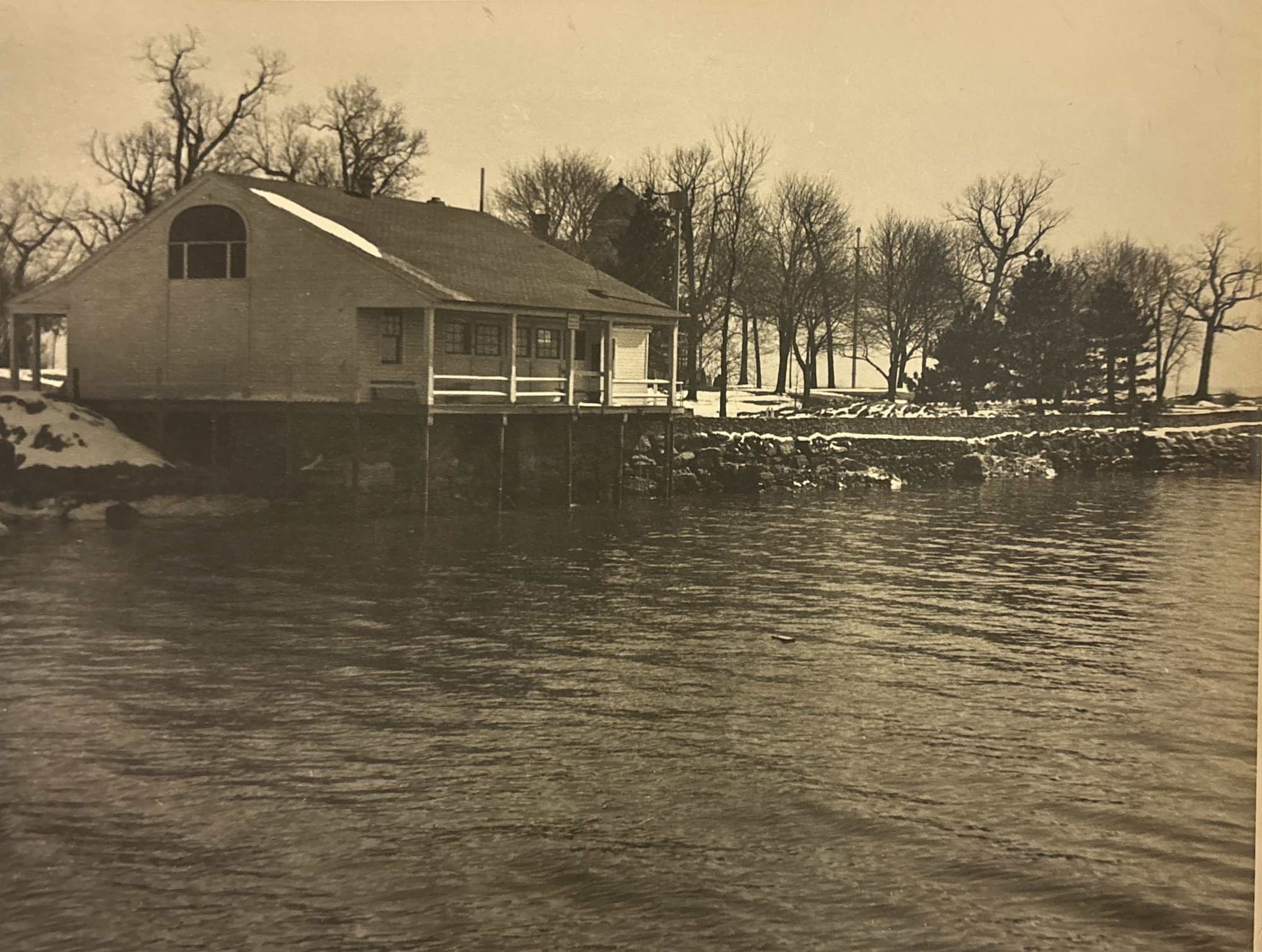
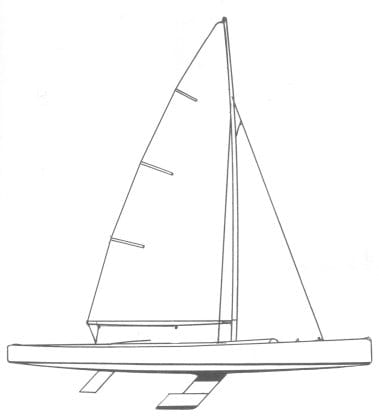
JAYC House, 1949; Allegra Mertz Torrey and Jamie Brickell in a 110
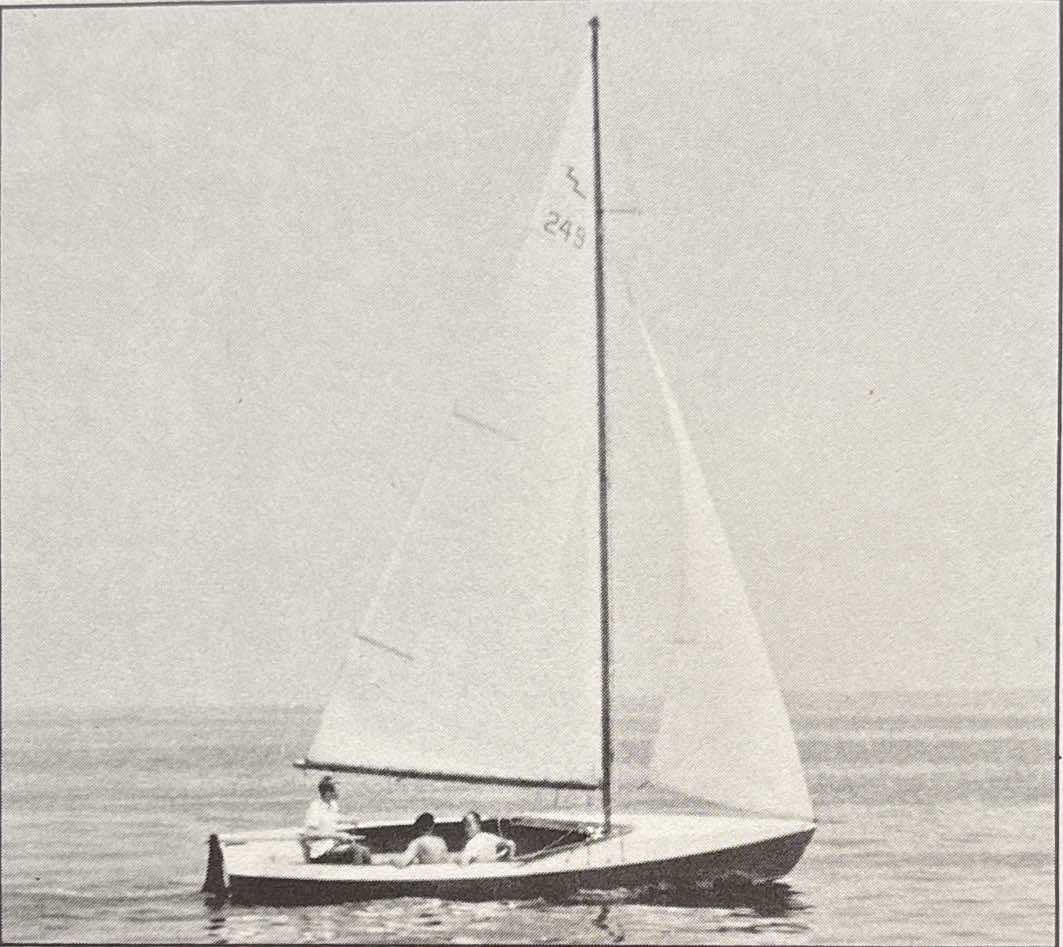
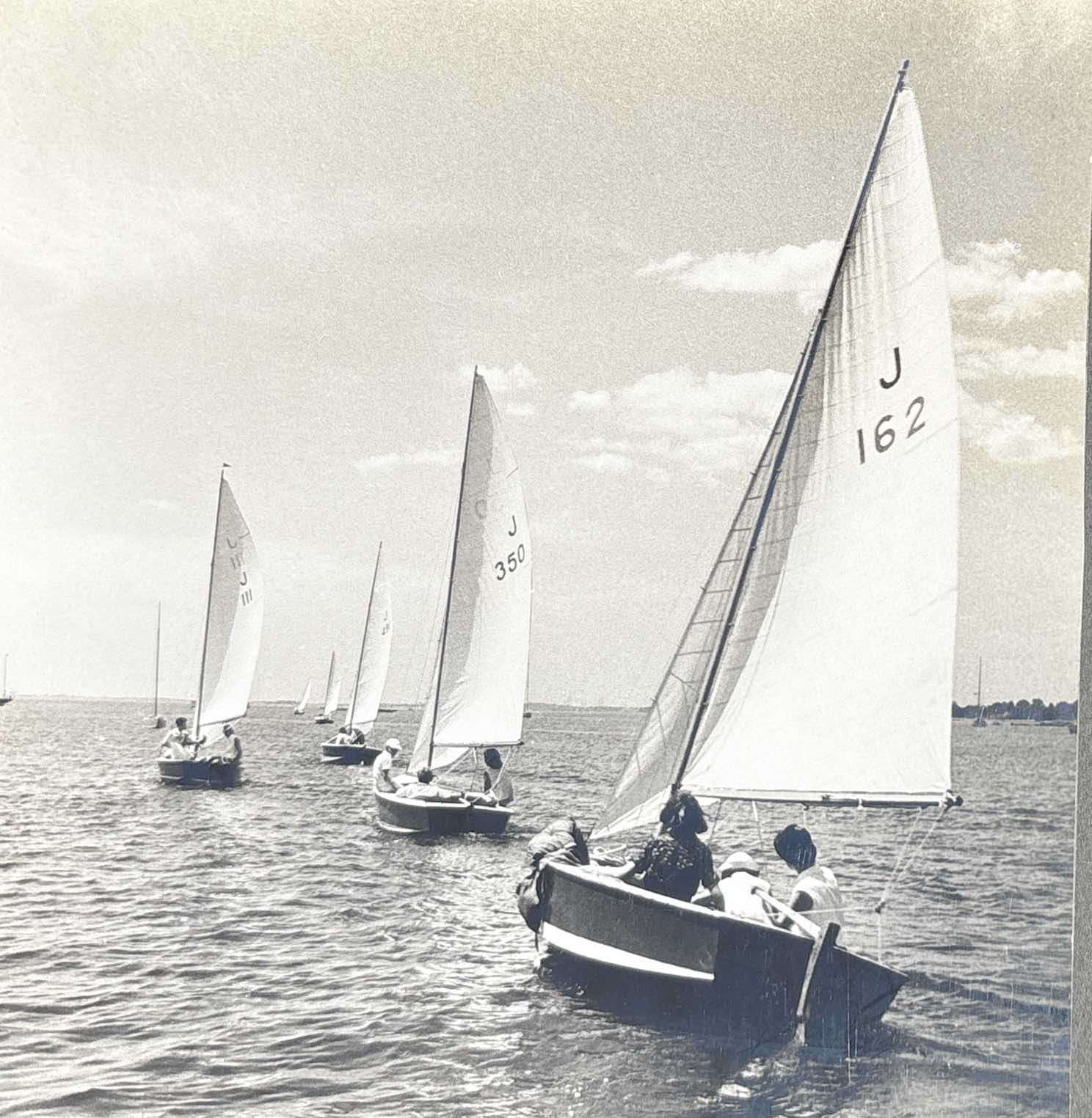
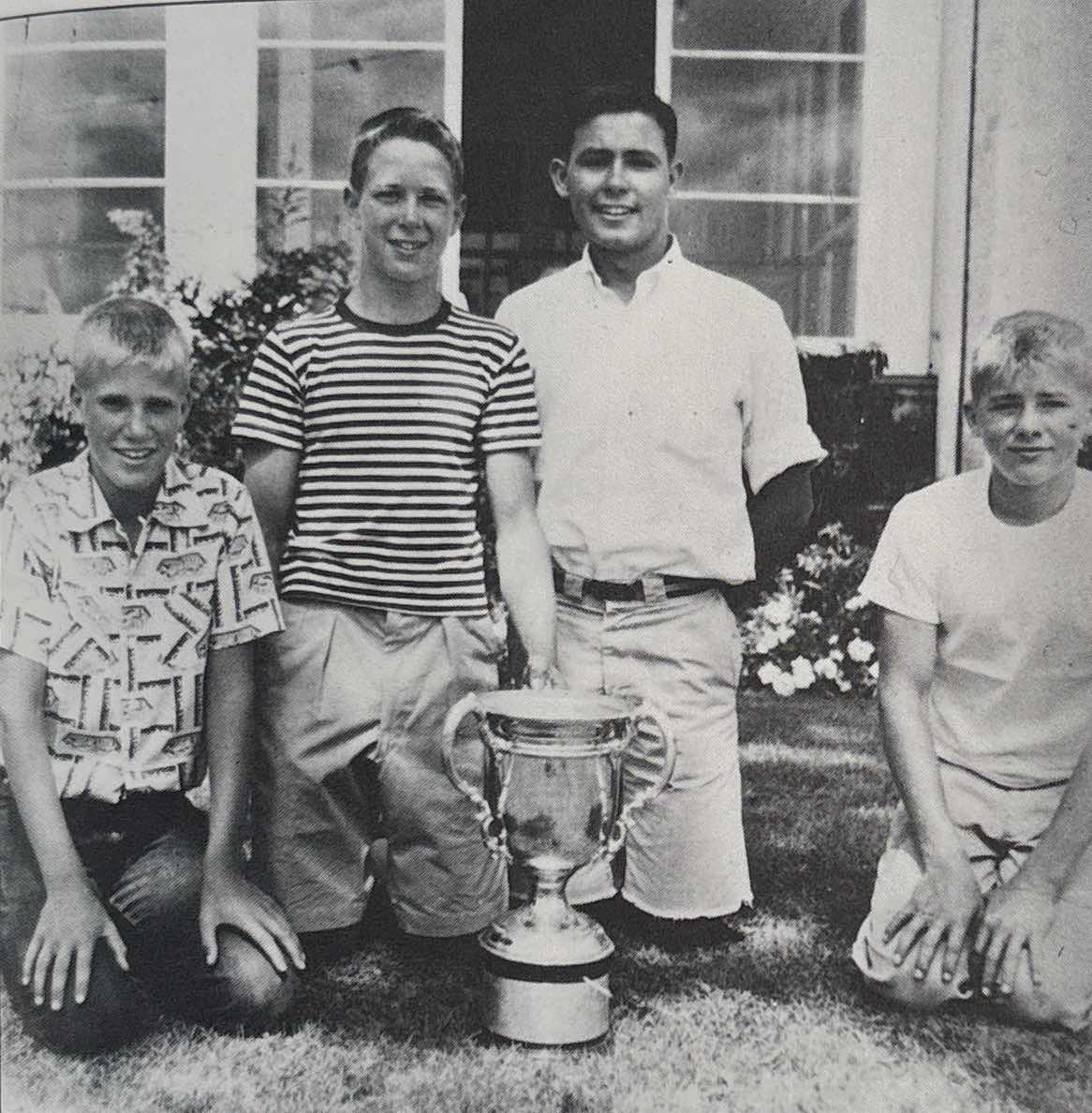
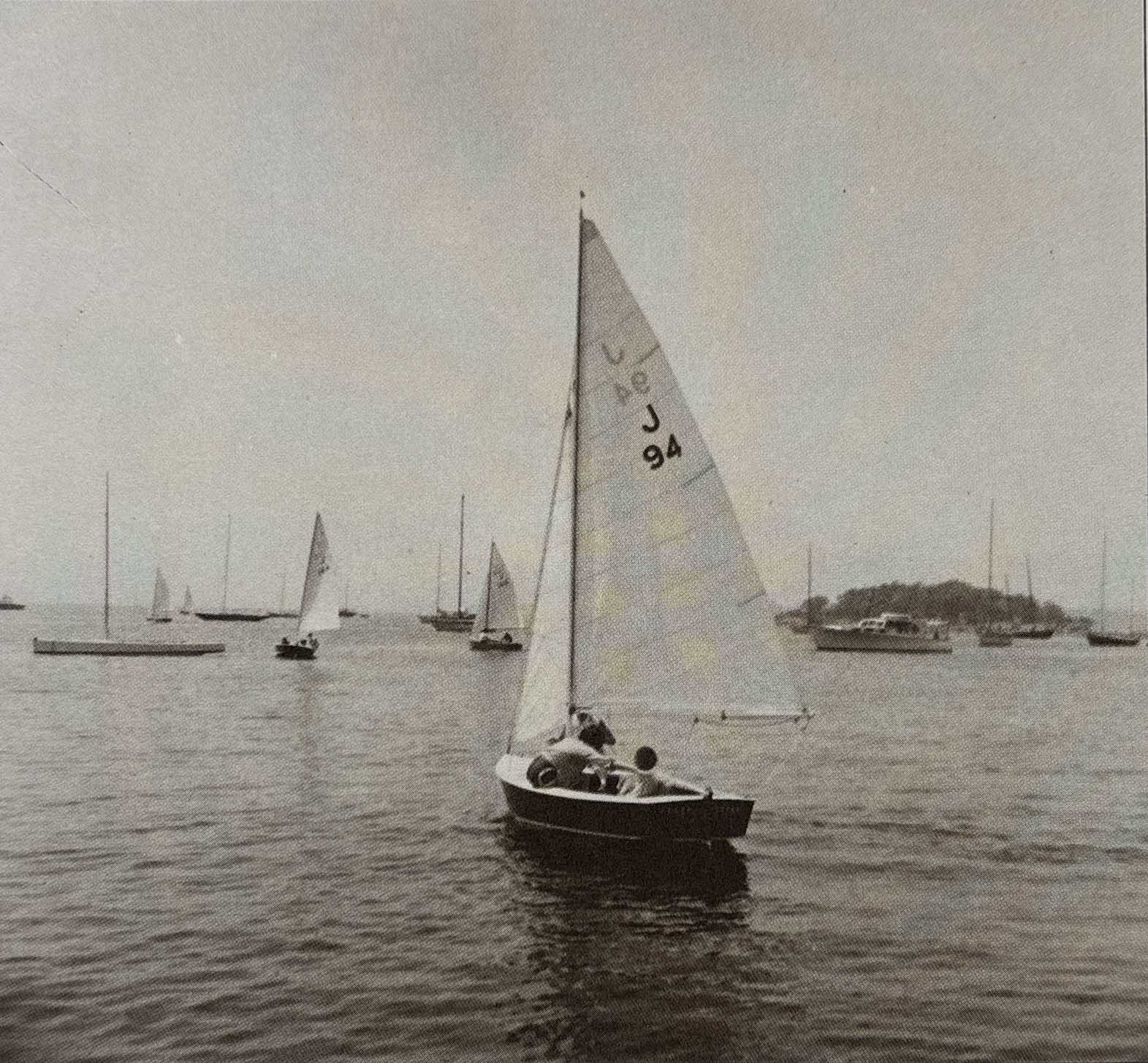
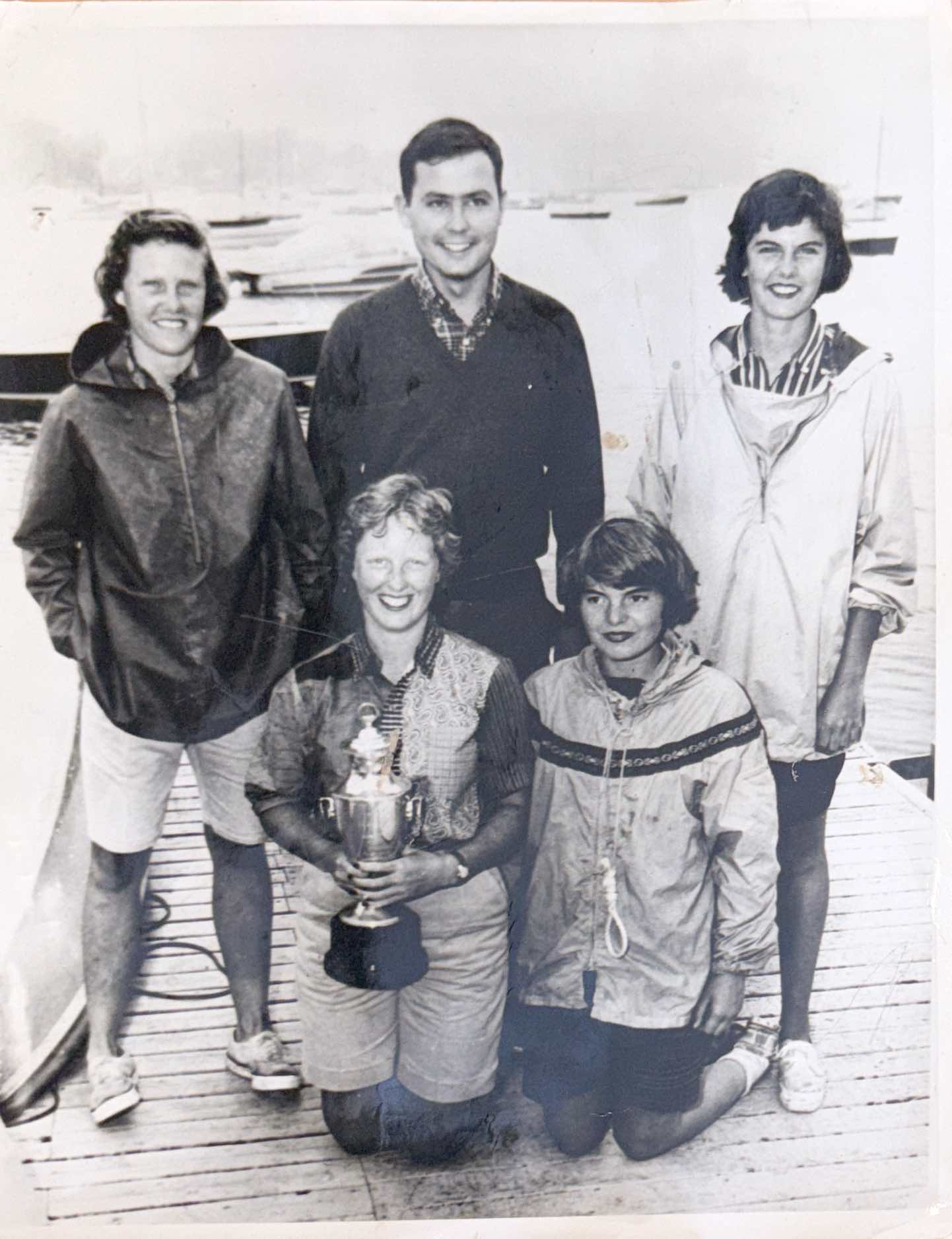
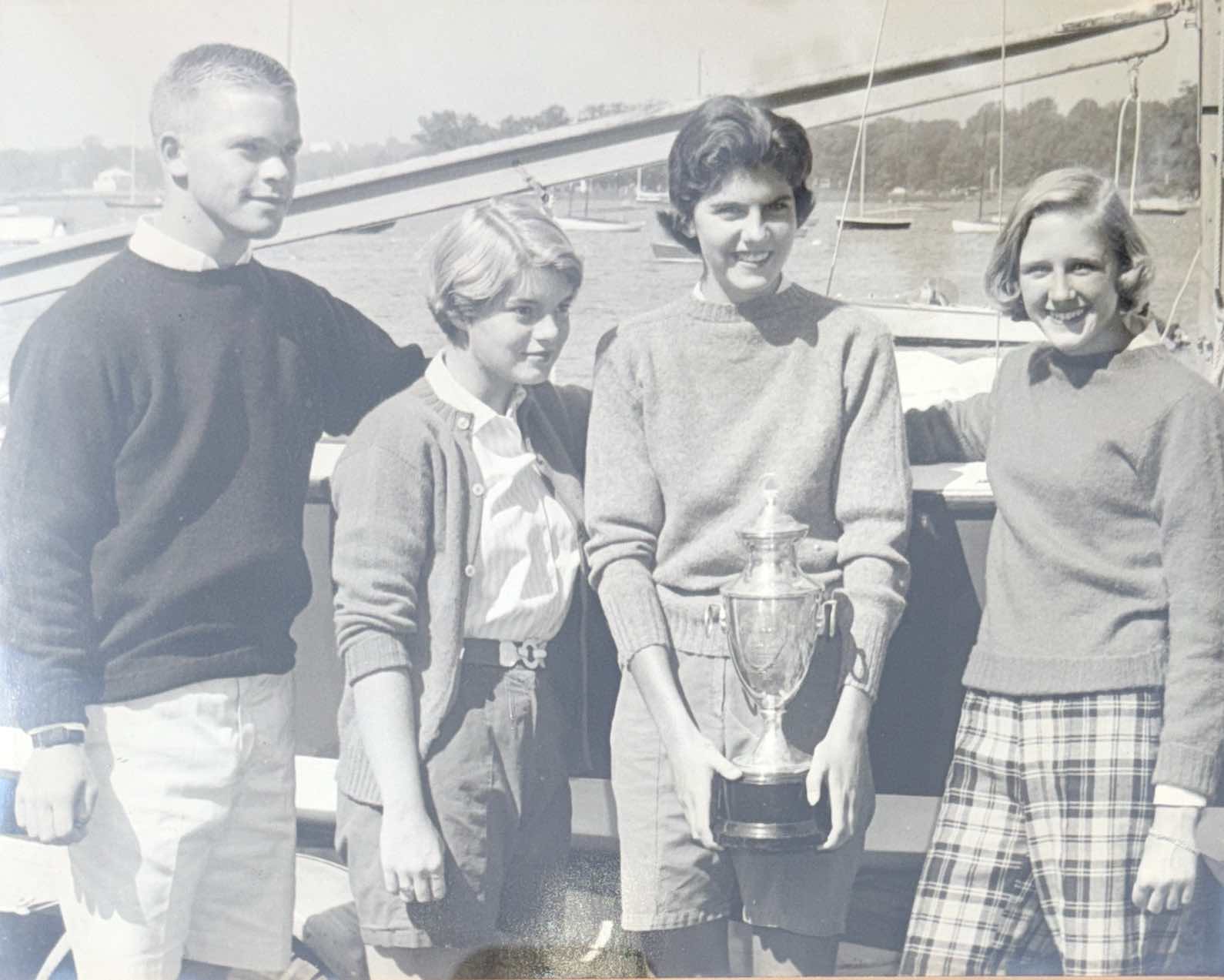
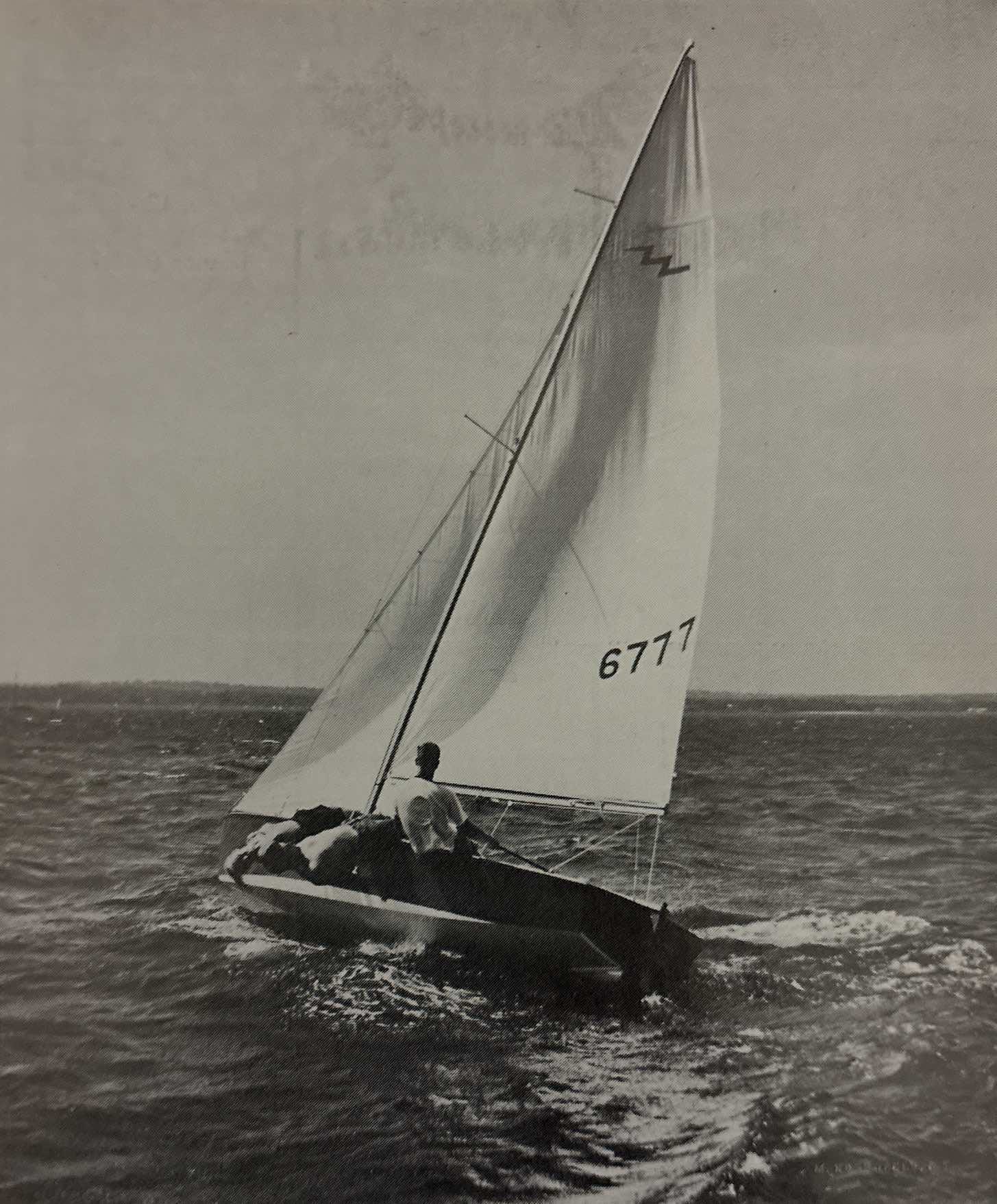
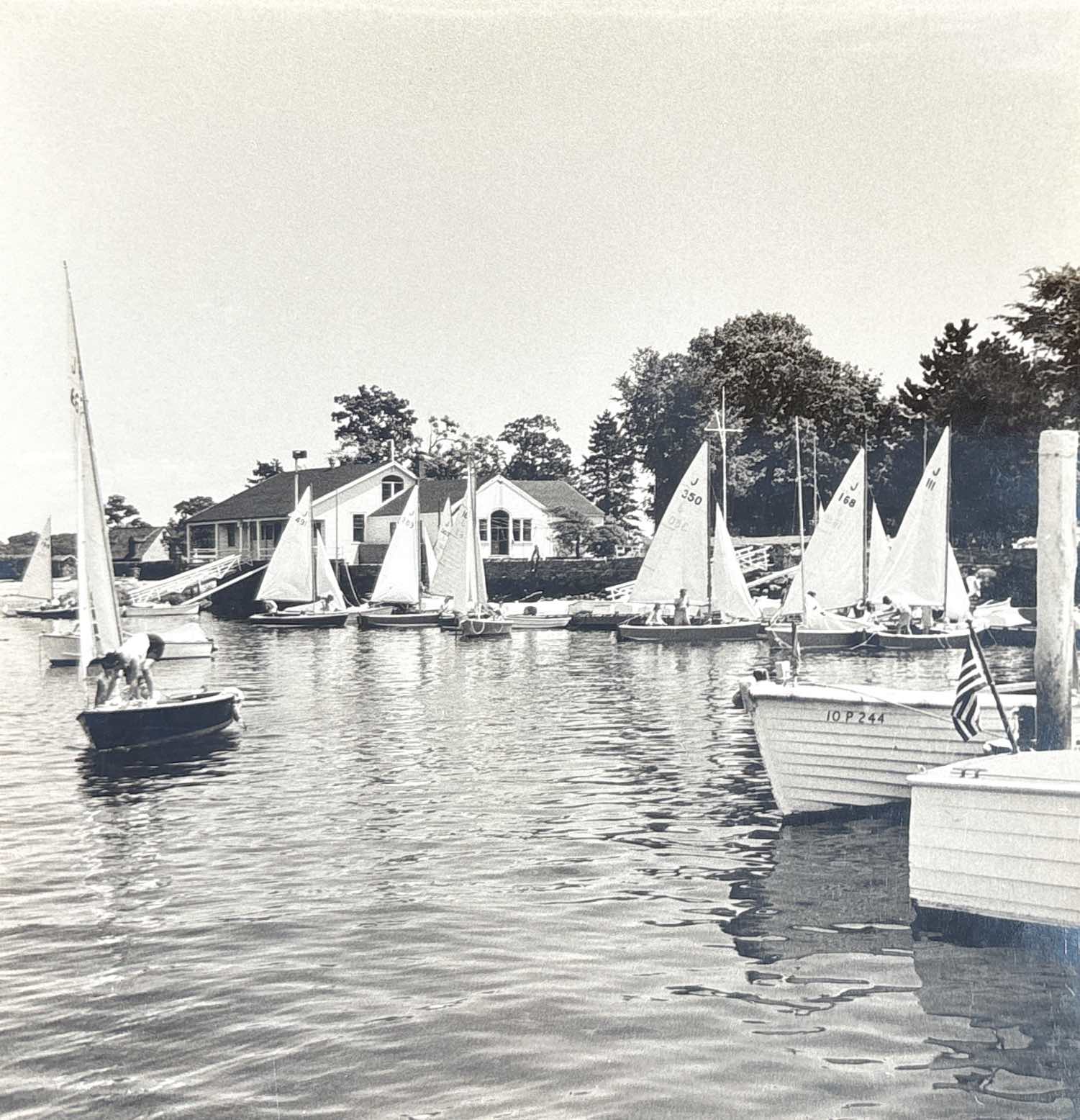
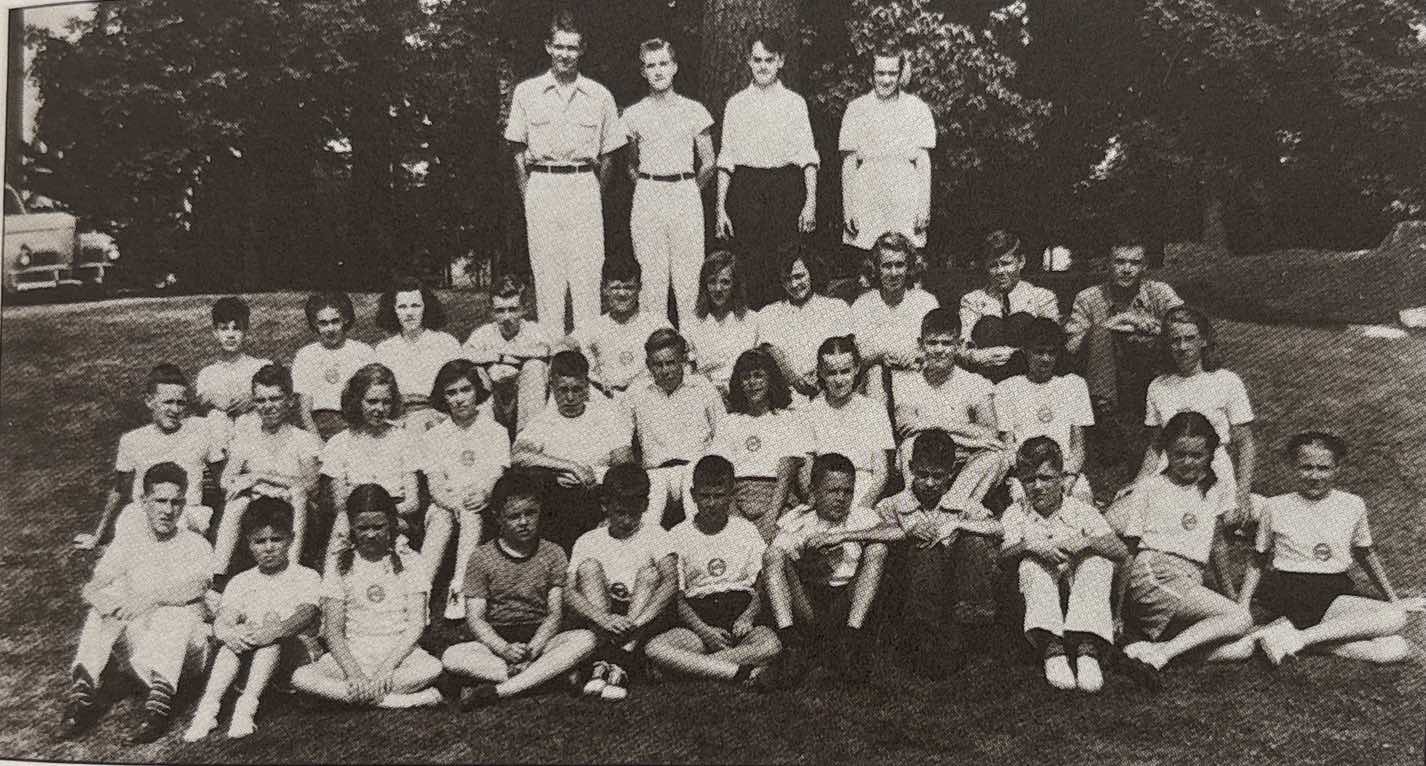
Sailing Blue Jays and Lightnings, and competing for JYRA Championships in the 1950s