JAYC 100: The 1920s and 1930s
This is the first in a series about the history of JAYC — the American Yacht Club's Junior program. There will be a new post each week in anticipation of the JAYC100 Celebration at AYC in June.
In January 1920, AYC voted to drop “steam yachting” from the club’s constitution, and to shift our focus to “yacht designing, building and racing.” The roaring twenties energy that energized New York City reverberated in Rye; AYC’s membership surged and members, young and old took to the water and enjoyed camaraderie and competition in Sound Interclubs, Wee Scots, and other boats. This was the backdrop for Bill Crow, Althea Crow, Jim Mertz, Sparky Gibson, and Frank Spencer to sit down in 1925 and sketch out the club that would become the Junior American Yacht Club. There had been some junior sailing classes at AYC going back to 1911, but this group established JAYC as a permanent fixture at AYC. Bill and Althea Crow’s roles in this moment highlight the fact that from the outset, JAYC would create lifelong family ties to AYC and would strongly support young women in sailing.
JAYC held its first summer in 1926 under the tutelage of Tilghman Earle, a young man who often sailed with AYC member Hobart Ford (brother of Ellsworth Ford, who painted the mural in the AYC Bar). Ford, Commodore Philip Mallory, and future Commodore Jack Shethar provided support in getting JAYC off the ground and onto the water. Another AYC tradition, hosting championship junior events, got off to an early start; as The New Yorker observed in August of 1928,
"It is time to stop patronizing the juniors. The regatta in which they will presently be engaged off Milton Point, home of the American Yacht Club, will be their fifth in as many years. Boy and girl skippers and crews from thirteen or fourteen clubs will be there, and the quality of the competition should be of the highest. The crew that captures the junior title of Long Island Sound must survive a grilling week of racing. The championship is decided in a series of elimination races, the crew of each club sailing against a rival until two out of three races have been won. Boats are changed after each race, to give each crew an even chance. The boats in this case will he the Sound Interclub sloops. They are fast boats. The owners have donated them to the juniors for the championship series and the Junior Yacht Racing Association has provided new suits of sails so that the owners need not worry about what the juniors may do to their canvas… The idea was to encourage sailing among youngsters, to get them out on the water. They’re out there now and no mistake."
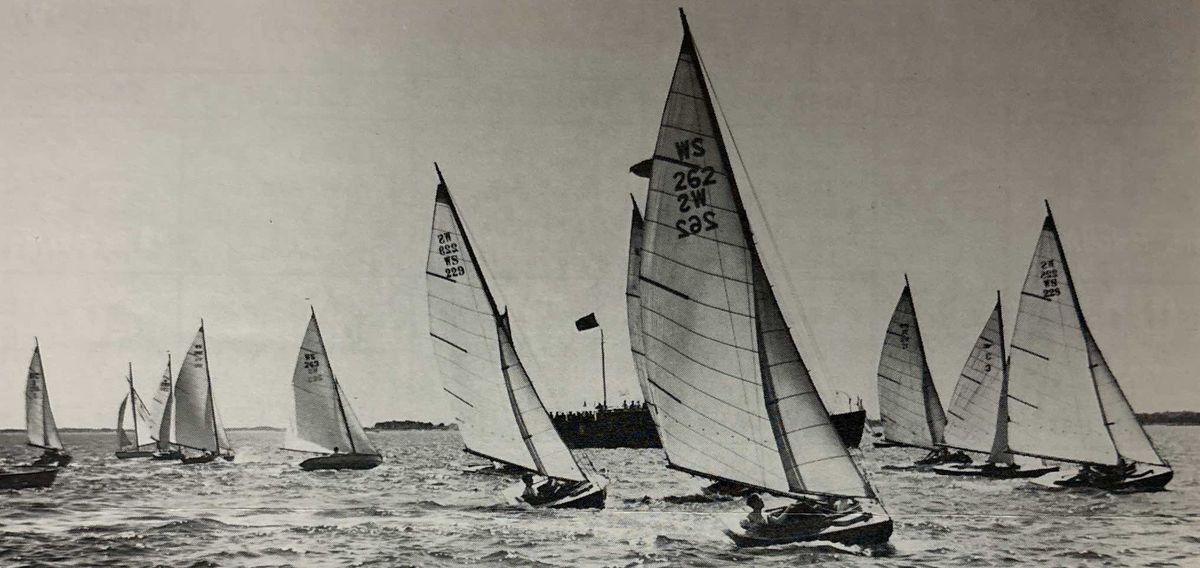
By 1929, there were 35 JAYCers sailing in a fleet of Wee Scots, a boat which was designed to be sailed by novices as well as raced by more experienced sailors. The 15 foot knockabout sloop had an iron keel, no spinnaker, and could be purchased, complete with sails, for $350. The Wee Scots were built right up the harbor at the Milton Boat Yards, which was owned by AYC member Thomas D. Scott (Milton Boat Yards later became Edgar John and Associates).
JAYC was off and running!
While the 1930s were a tumultuous decade for the nation as a whole, AYC had built itself a firm financial foundation, and was able to weather the Great Depression. In addition to Wee Scots, JAYCers began to sail Bulldogs, a fleet which was built specifically for junior sailors on Long Island Sound – in fact, AYC had the first fleet, so Bulldogs sported “AYC” on their sails. JAYC continued to thrive, and JAYC sailors began to rack up victories on the race courses both on Long Island Sound and beyond. Commodore John Shethar’s daughter Sylvia Shethar, whose hair color earned her the nickname Rusty, had written a formal request when she was nine to be admitted into JAYC a year early, and before long, she was making a name for herself – and AYC – on the water, often with her older sister Gwendolen (Babs) or younger sister Lois crewing for her. Rusty Shethar won the Syce Cup for the YRA Women’s Championship (now the Queens Cup) for the first time in 1937 as a 17 year old JAYCer. She would go on to capture that championship three more times as an adult. Later that summer, Shethar would finish a close second in the Adams Cup, the US Sailing women’s championship. She won the Adams Cup in 1939 when she was just out of JAYC, and went on to win it three more times later on.
Next week: JAYC in the 1940s and 1950s!
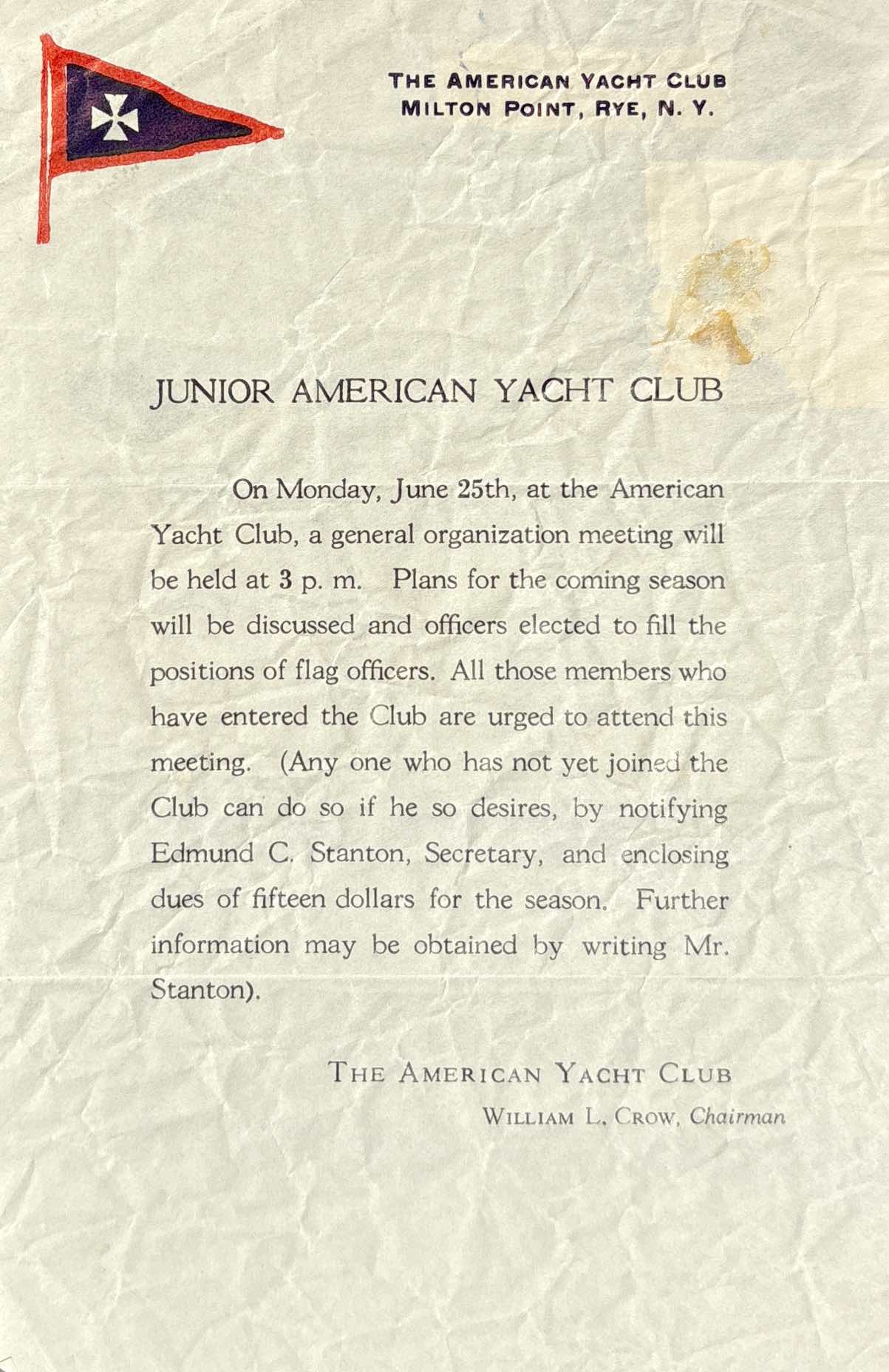
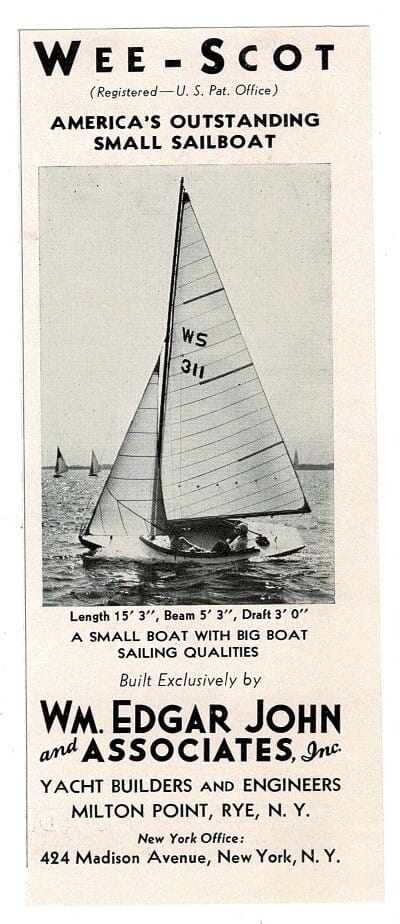
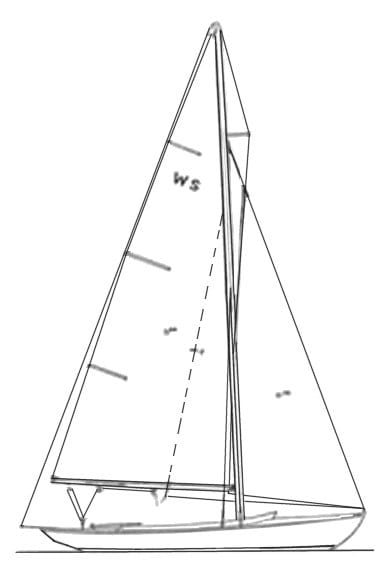
Invitation to JAYC, 1928, and Wee Scots
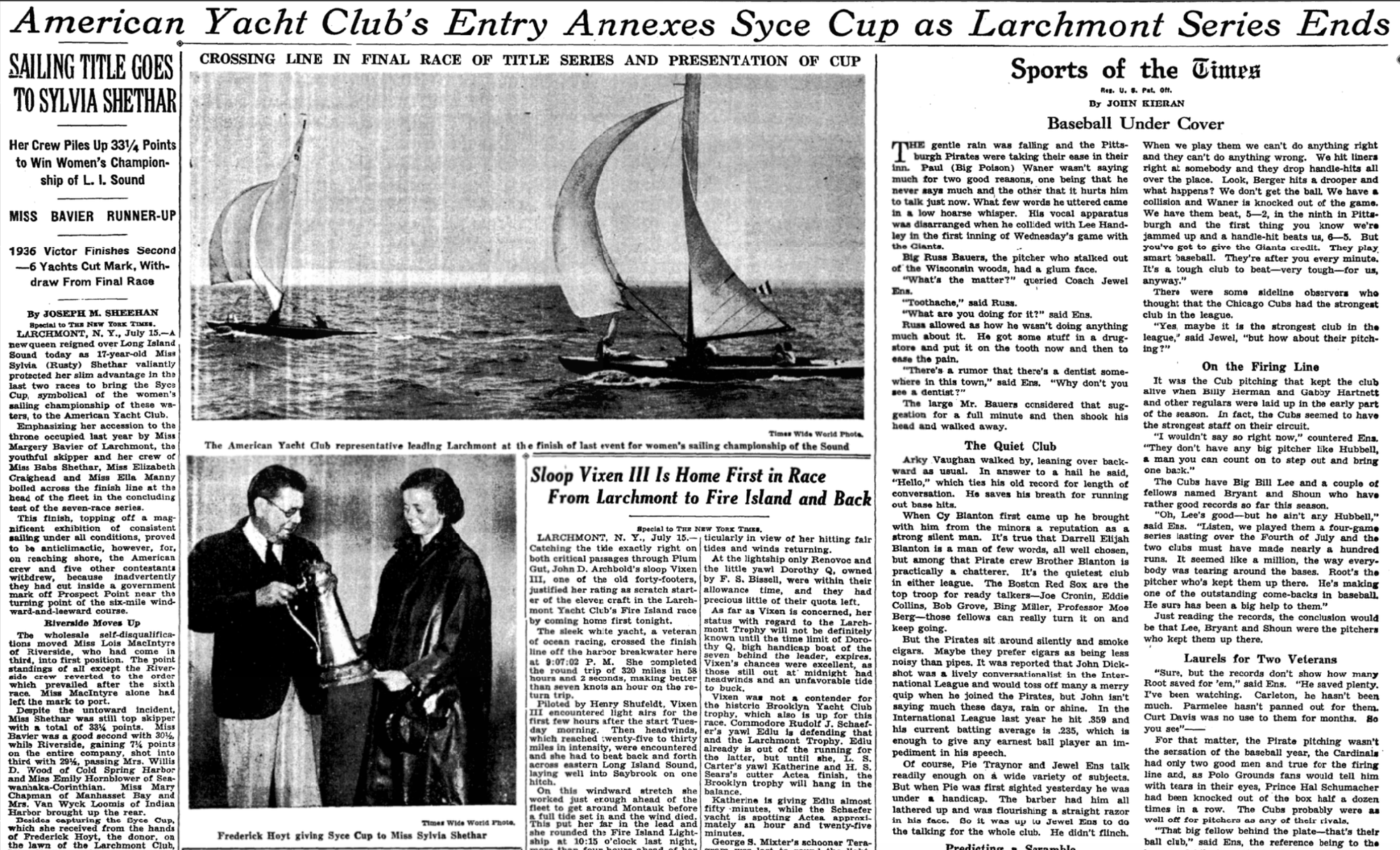
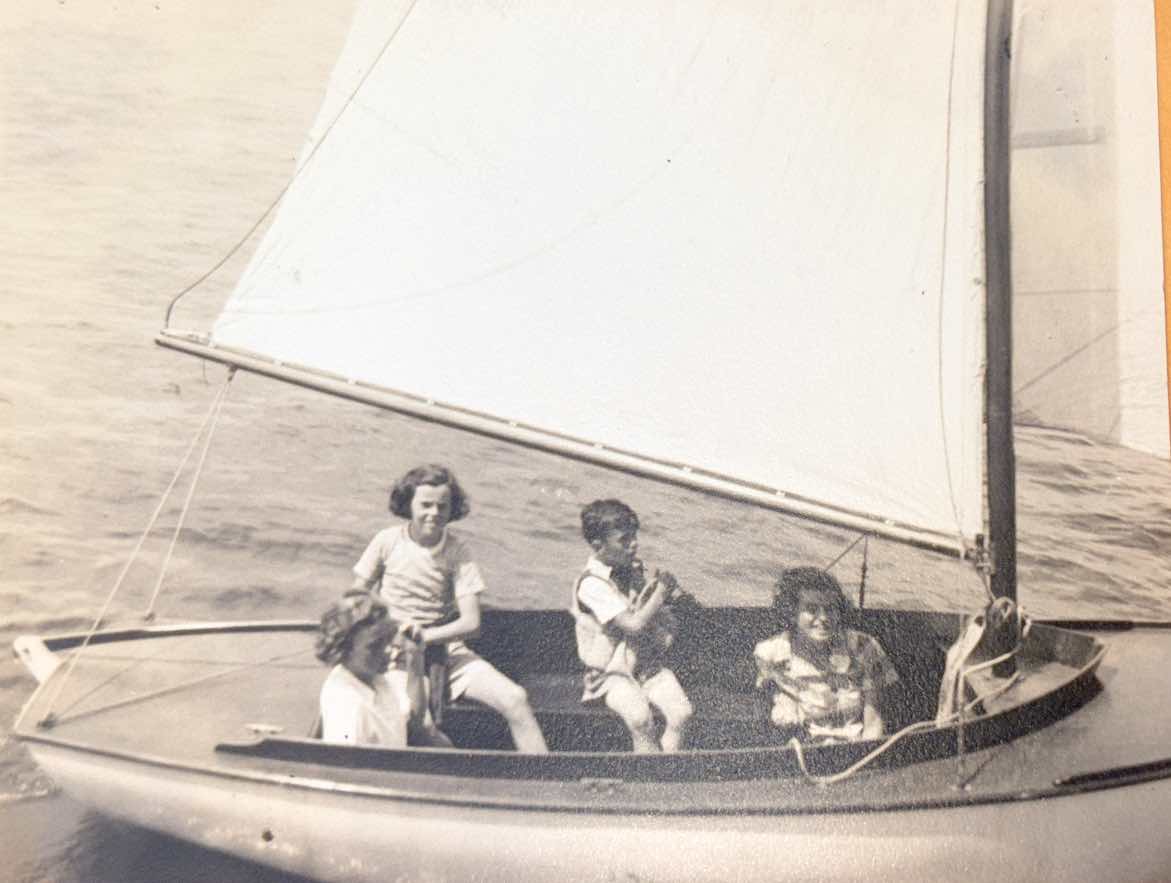
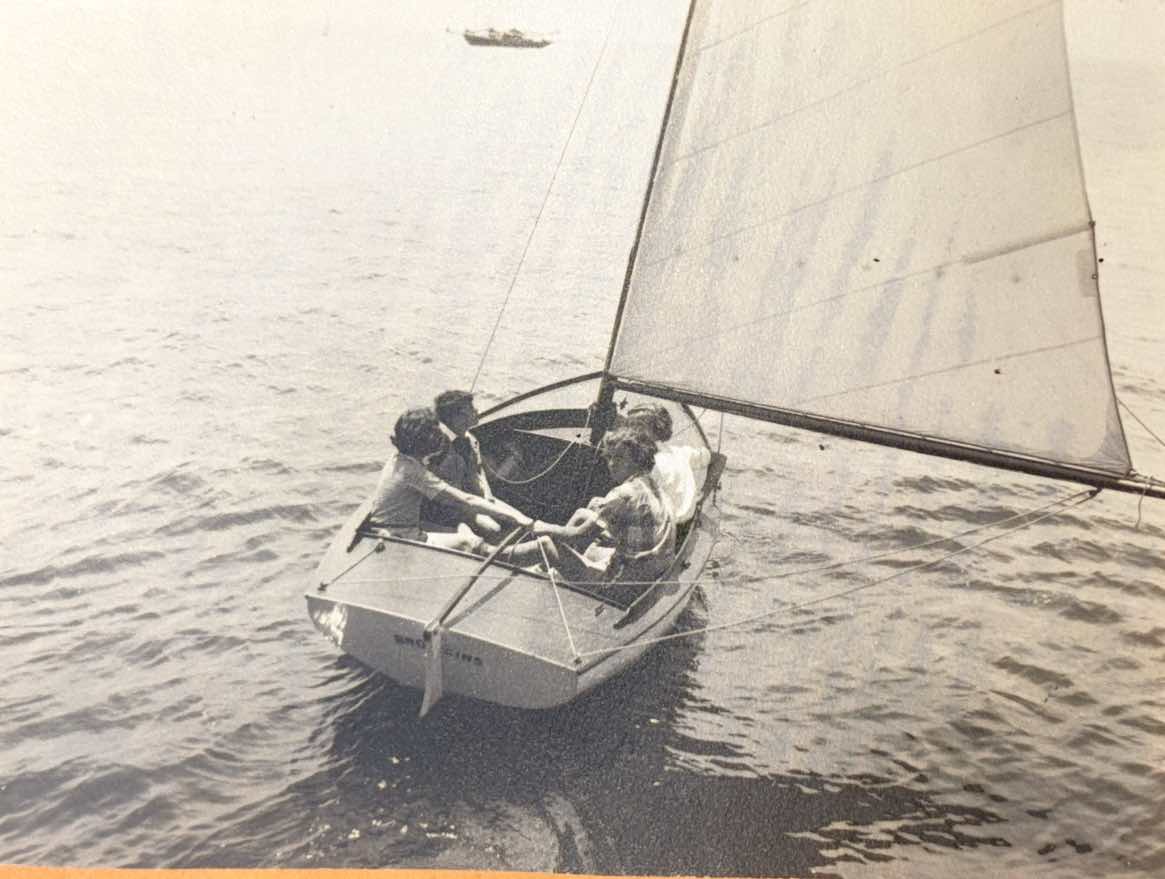
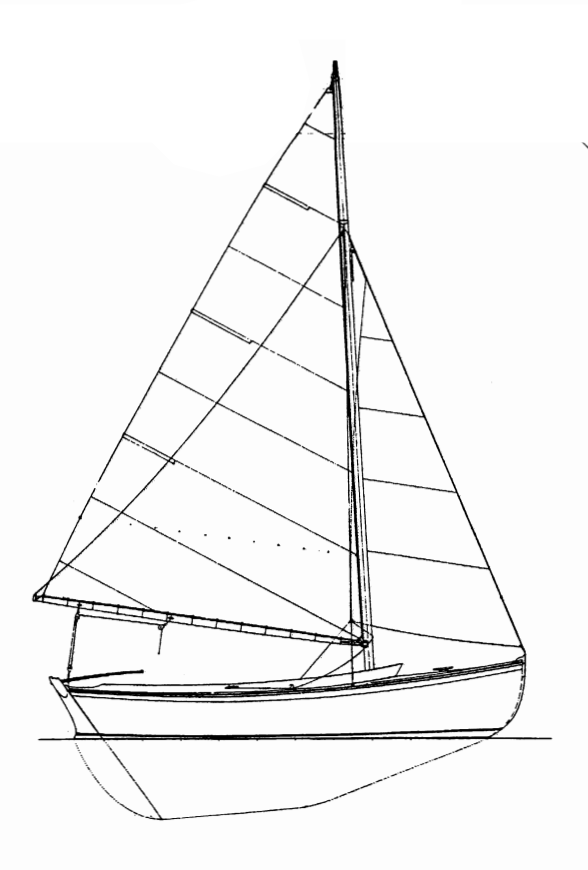
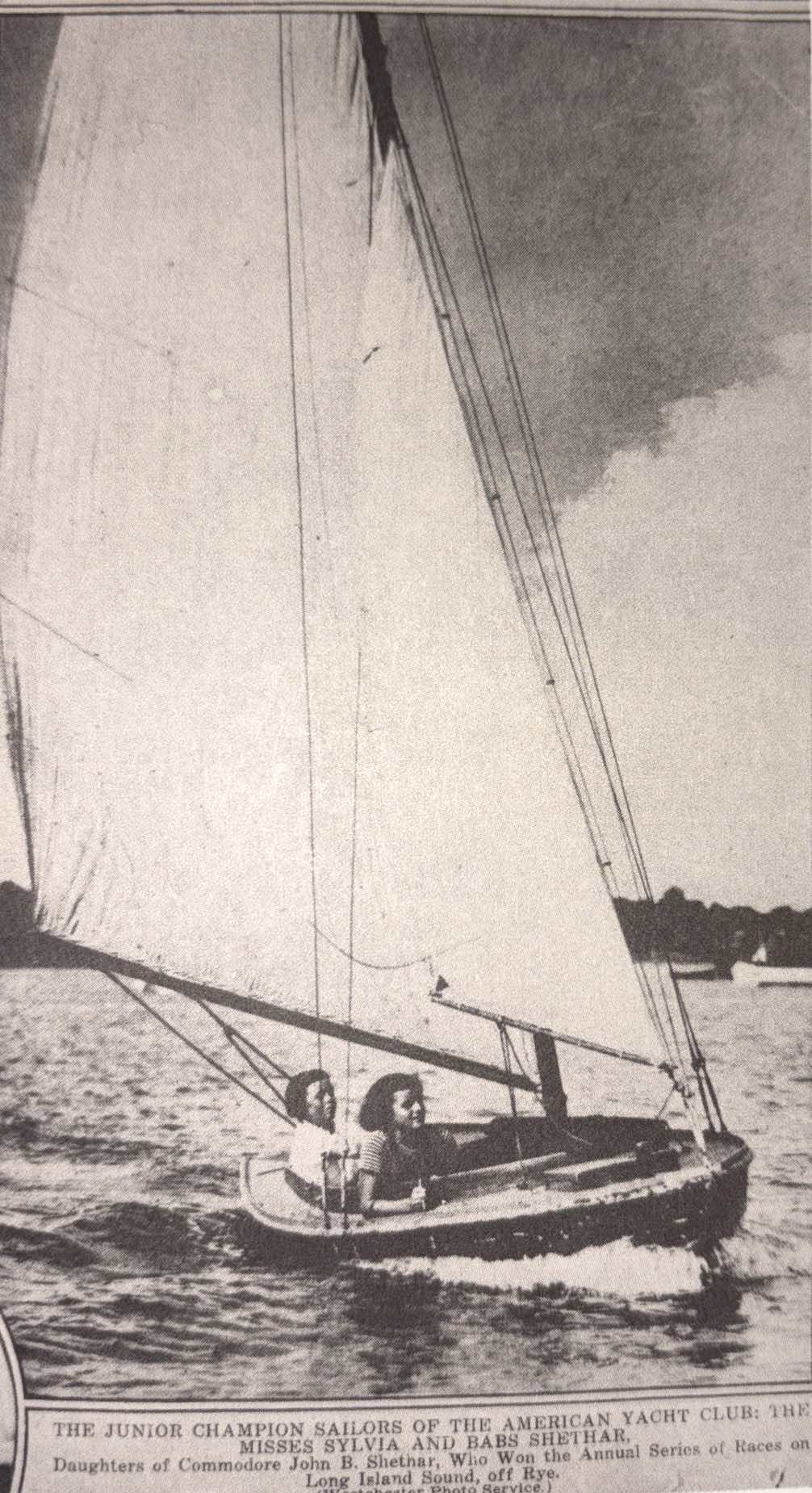
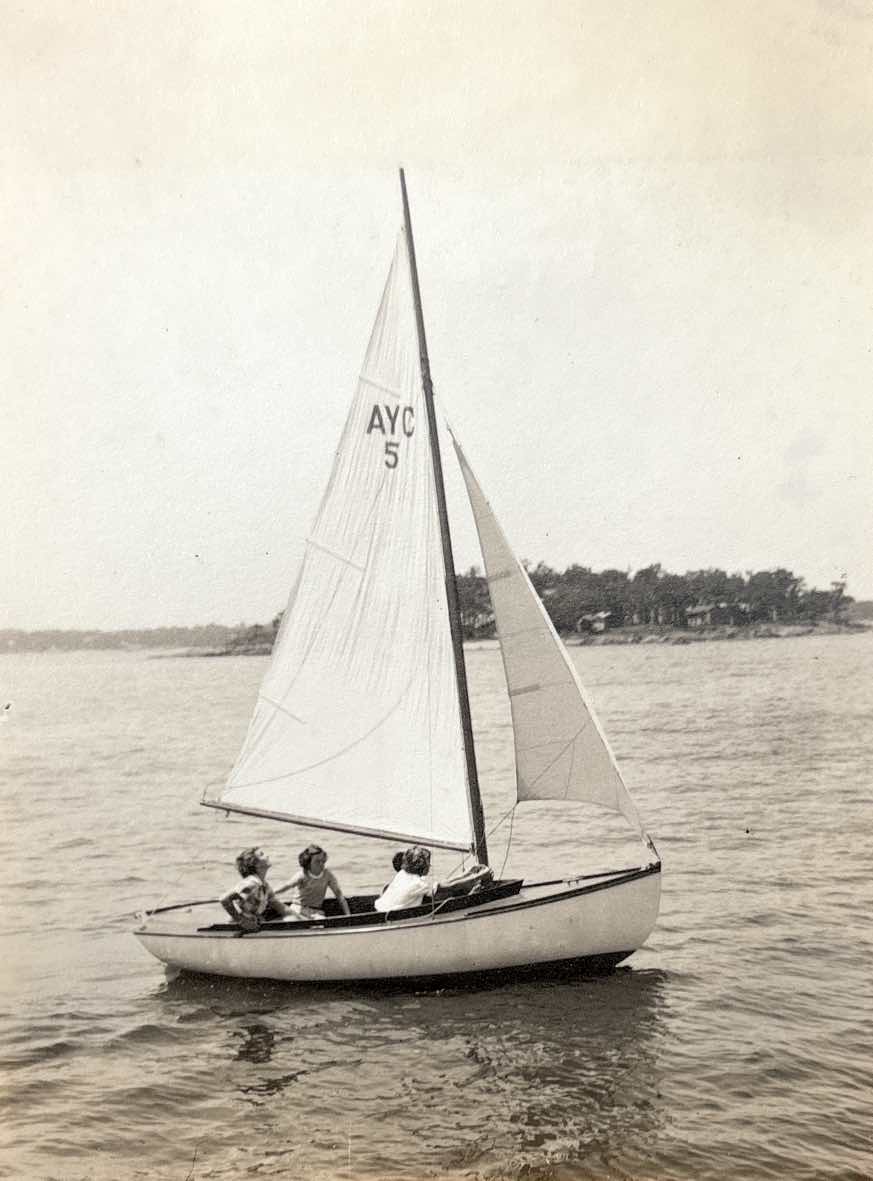
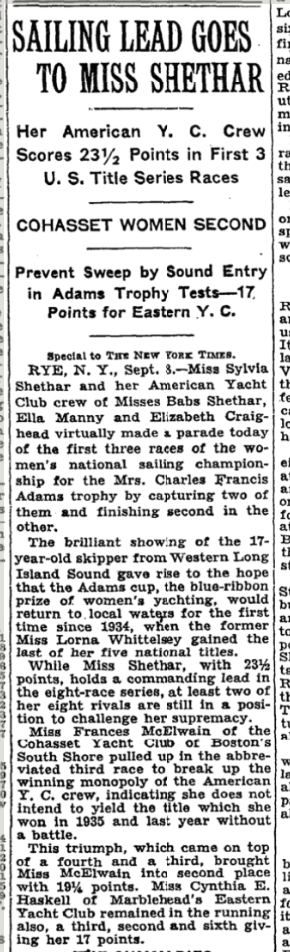

Bulldog sailing in the 1930s and NYTimes coverage of Sylvia Shethar's wins on the water